Two financial firms, Custodia and Vantage, have proposed a new type of token that can toggle between traditional bank deposits and stablecoins. The system is designed to connect existing banking infrastructure with blockchain-based payment networks. Under the proposal, banks would still retain custody of customer deposits — a key difference from most stablecoin models today.
A token that lives in two worlds
The token, still in the proposal stage, would allow users to move value between a bank deposit and a stablecoin seamlessly. That means a dollar in a bank account could become a dollar on a blockchain, and back again, without leaving the regulated banking system. The firms say the toggle mechanism would rely on smart contracts and bank APIs.
When a user wants to convert a deposit to a stablecoin, the bank would lock the deposit and issue a corresponding token on the blockchain. The reverse process would burn the token and unlock the deposit. The money stays on the bank's balance sheet throughout.
Keeping deposits on bank balance sheets
For banks, the appeal is clear: they don't lose deposits to crypto exchanges or third-party stablecoin issuers. Instead, they become the on-ramp and off-ramp themselves. For crypto users, it offers a way to hold dollar exposure through a regulated bank rather than relying on an issuer like Tether or Circle. The structure could reduce systemic risk — if a bank fails, depositors still have claims, unlike with unbacked stablecoins.
Custodia and Vantage argue that this hybrid model could bridge the gap between the traditional financial system and decentralized finance. It gives banks a way to participate without ceding control of their deposits.
Regulatory hurdles ahead
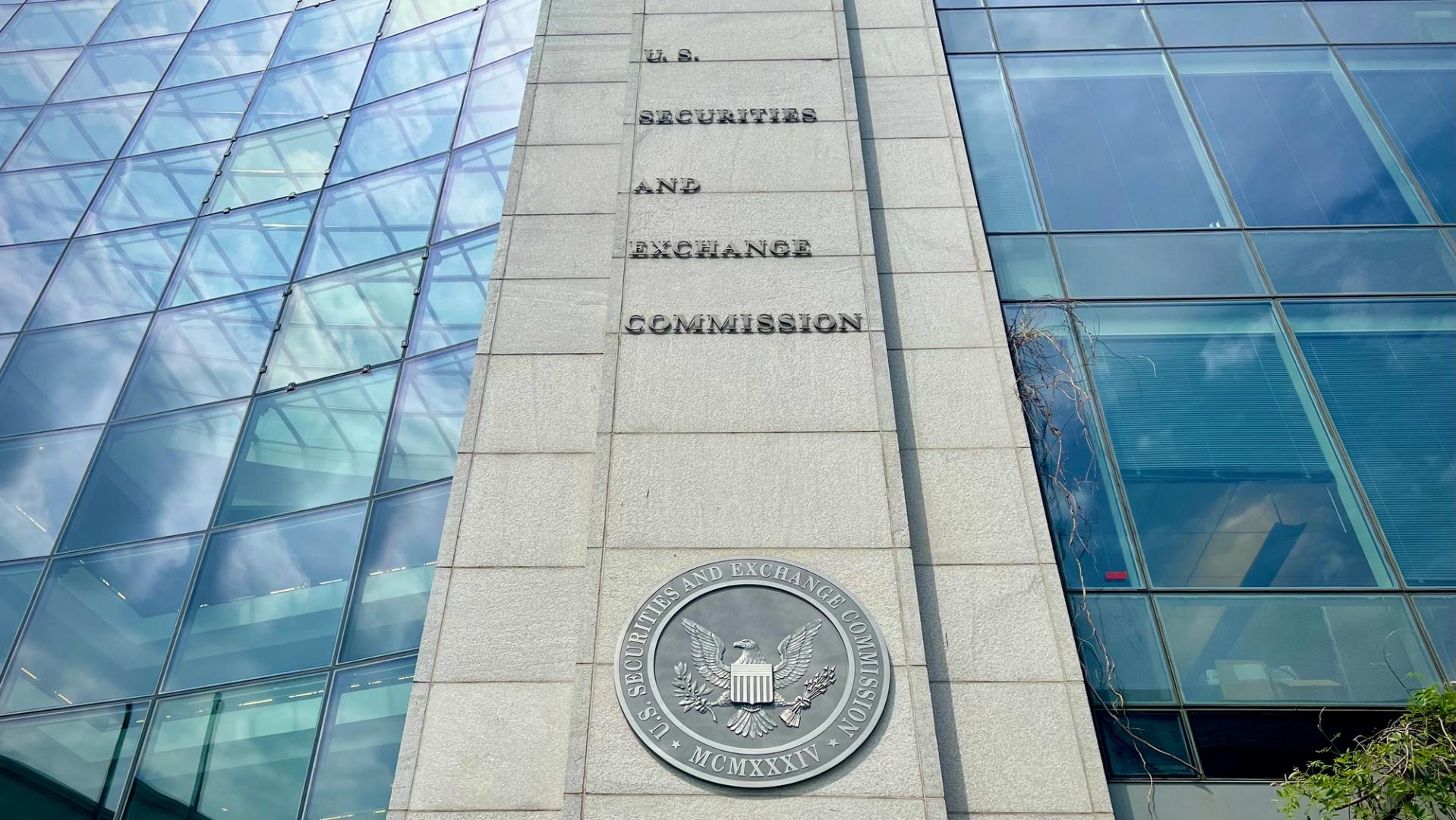
The proposal is just that — a proposal. Custodia and Vantage have not announced a timeline for implementation or disclosed which regulators they've engaged with. The token would likely need approval from banking regulators and possibly securities regulators. How U.S. agencies like the Office of the Comptroller of the Currency or the Securities and Exchange Commission view the product will determine its viability.
The timing isn't accidental. Regulators have been wrestling with how to treat stablecoins. A bank-anchored token could fit within existing frameworks, but it also raises new questions about deposit insurance, reserve requirements, and money transmission.
From white paper to reality
The next milestone will be the release of a technical whitepaper, expected later this year. That document should detail the legal and technical architecture. Until then, the idea remains a concept — but one that could reshape how banks interact with stablecoins. Custodia and Vantage are betting that regulators, and the market, are ready for a token that never leaves the banking system.