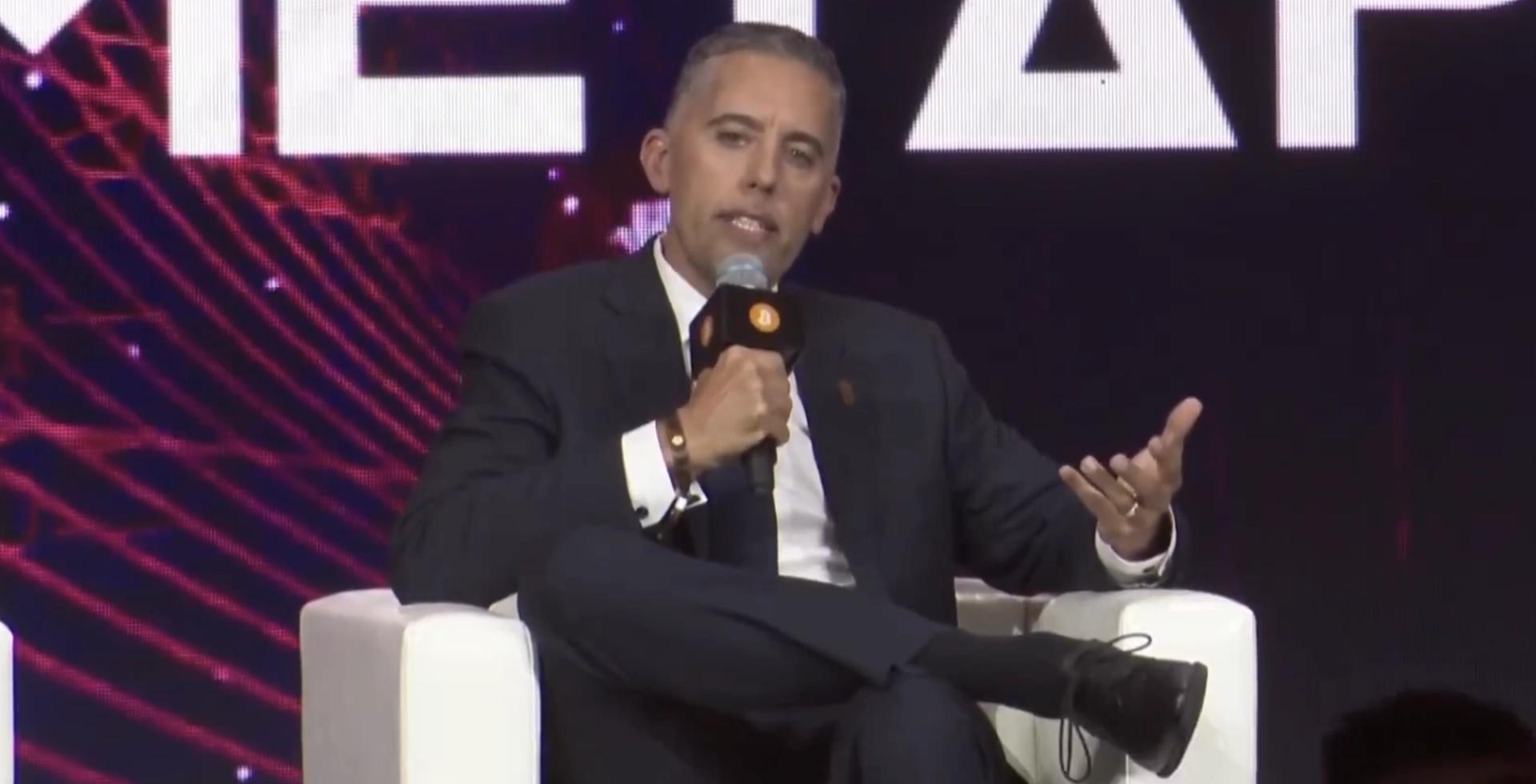
Changpeng Zhao, the founder of Binance, said this week that crypto is entering a new phase driven by AI agents, tokenized real-world assets, stablecoin competition, and a more favorable US regulatory environment. He noted a “180 degree turn” in US crypto regulation that’s accelerating institutional participation faster than expected.
The US regulatory pivot
Zhao pointed to a dramatic shift in Washington’s stance on digital assets. That turn, he said, is pulling in institutional money at a clip that surprised even optimists. It’s not just a friendlier tone — it’s reshaping the pace of adoption.
AI agents and crypto rails
AI agents are predicted to transact 10,000 times more frequently than humans, Zhao said, and they’ll naturally prefer crypto rails over legacy systems like SWIFT or Visa. That kind of volume could make blockchain the default settlement layer for machine-to-machine payments long before it replaces everyday consumer plastic.
Stablecoins and yield
Stablecoins have become central to crypto market structure, in Zhao’s view. He argued they should maintain 100% reserves and pass yield to users — a model that would turn stablecoin issuers into something closer to on-chain banks than payment rails. The idea draws a line between current practice and where he thinks the industry needs to go.
From gold to oil: the 'everything exchange'
Binance has already grown into the largest gold trading venue outside traditional markets — gold now represents 10% of its futures trading volume. Zhao also highlighted Binance’s listing of oil as a sign of convergence between traditional finance and crypto platforms. He anticipates exchanges evolving into “everything exchanges” covering crypto, commodities, prediction markets, and other asset classes under one roof.
Payments, memecoins, and the CEX/DEX question
Payments adoption in crypto has been slower than expected, while memecoins gained prominence — a dynamic Zhao attributed to previous regulatory suppression. He also flagged uncertainty in the balance between centralized and decentralized exchanges. That balance, he said, depends on user adoption and the development of self-custody tools. It’s an open question that will define the next phase of market structure.
The unresolved question remains which model — centralized or decentralized — will dominate as self-custody tools mature. Zhao didn’t offer a prediction, only a framework: watch where users actually take their coins.