What Happened and Why It Matters
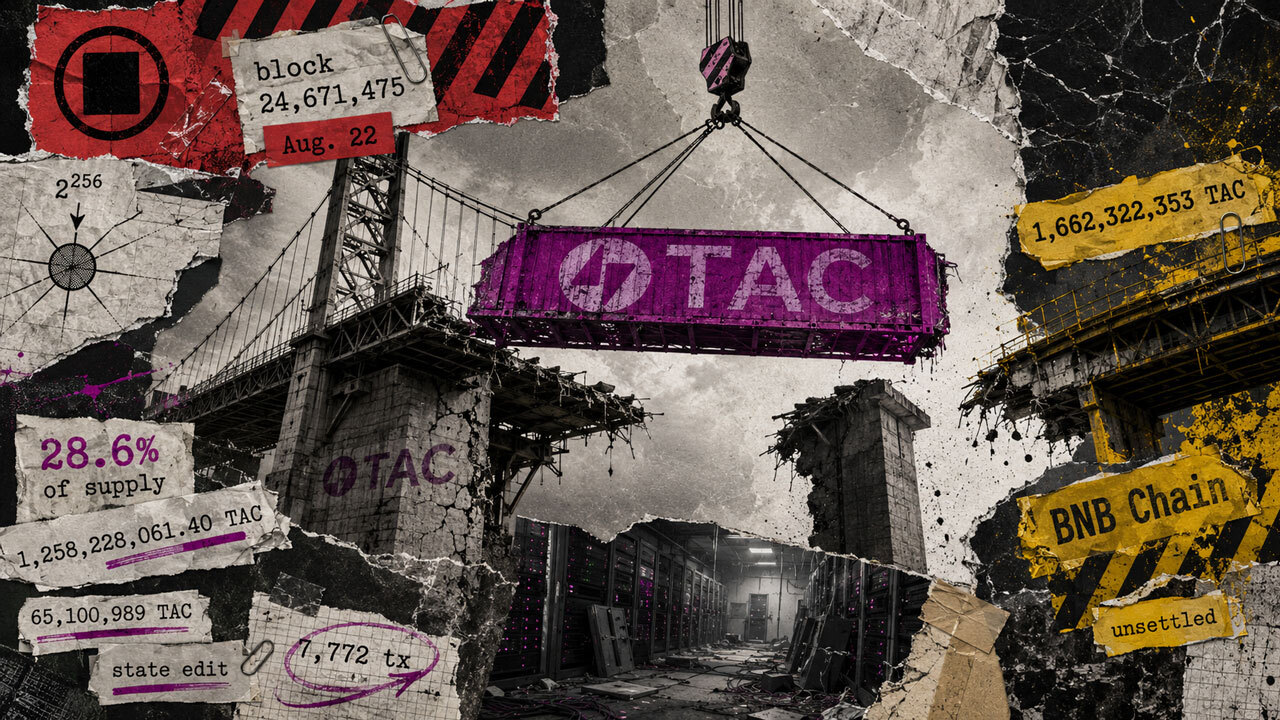
A massive DeFi exploit ripped through a popular lending protocol in late August 2024, siphoning roughly $292 million in user funds. The breach, traced to a smart‑contract vulnerability, sent shockwaves across the crypto community and raised immediate questions about the safety of decentralized finance. Yet, despite the headline‑grabbing loss, the broader DeFi landscape continues to function, prompting analysts to ask: Is the sector really on the brink of collapse?
Scale of the Attack and Immediate Fallout
The incident unfolded over a 48‑hour window, during which attackers exploited a flawed oracle feed to manipulate asset prices. By the time the protocol’s emergency pause was activated, the thieves had already moved the stolen assets across multiple blockchains, obscuring the trail. According to on‑chain analytics firm ChainGuardian, the total value extracted peaked at $292 million, making it one of the largest single‑day crypto heists of the year.
In response, the platform’s developers issued a partial refund plan, covering 40 % of the affected users through an insurance fund. While the move restored some confidence, it also highlighted the fragility of current risk‑mitigation mechanisms.
TVL Plunge Signals Market Reaction
Within days of the exploit, the total value locked (TVL) across the DeFi ecosystem shrank by about $13 billion, according to data from DeFi Pulse. This represents a roughly 15 % contraction from the pre‑attack peak of $87 billion. The dip was most pronounced on Ethereum‑based platforms, where TVL fell from $55 billion to $46 billion.
- Ethereum DeFi TVL: -$9 B
- Binance Smart Chain: -$2 B
- Polygon and others combined: -$2 B
Why DeFi Isn't Dead: Resilience Factors
Despite the financial hit, on‑chain activity tells a different story. Transaction volume on major DeFi apps rebounded to 92 % of their pre‑exploit levels within two weeks, and new wallet creation rose by 7 % month‑over‑month. Dr. Lina Patel, blockchain analyst at CryptoSecure, notes, "The data shows that user confidence is bruised but not broken. Developers are rapidly deploying patches, and the community is rallying around more robust audit standards."
Key resilience drivers include:
- Rapid deployment of third‑party security audits after the breach.
- Growing adoption of Layer‑2 scaling solutions that reduce transaction costs and improve speed.
- Increased institutional interest, with several hedge funds allocating fresh capital to vetted DeFi projects.
Lessons Learned and Path Forward
The recent hack underscores the importance of continuous code review and diversified oracle sources. Experts recommend a multi‑pronged approach: formal verification of smart contracts, real‑time monitoring of price feeds, and insurance mechanisms that cover at least 50 % of user deposits.
Regulatory bodies are also taking note. The U.S. Securities and Exchange Commission announced plans to issue guidance on DeFi security standards by early 2025, aiming to protect retail investors without stifling innovation.
Key Takeaways
- The DeFi exploit resulted in a $292 million loss, the largest of its kind this year.
- Overall TVL dropped by $13 billion, yet the ecosystem remains operational.
- Transaction volumes and new user onboarding have largely recovered.
- Enhanced audit practices and upcoming regulatory guidance could fortify the sector.
Conclusion: DeFi’s Future Remains Bright
While the $292 million breach and the $13 billion TVL dip were undeniably painful, they do not signal the death of decentralized finance. The sector’s ability to bounce back—driven by active developers, resilient users, and emerging security frameworks—suggests a maturation rather than a demise. Stay informed, monitor upcoming security standards, and consider how the evolving DeFi landscape might fit into your investment strategy.