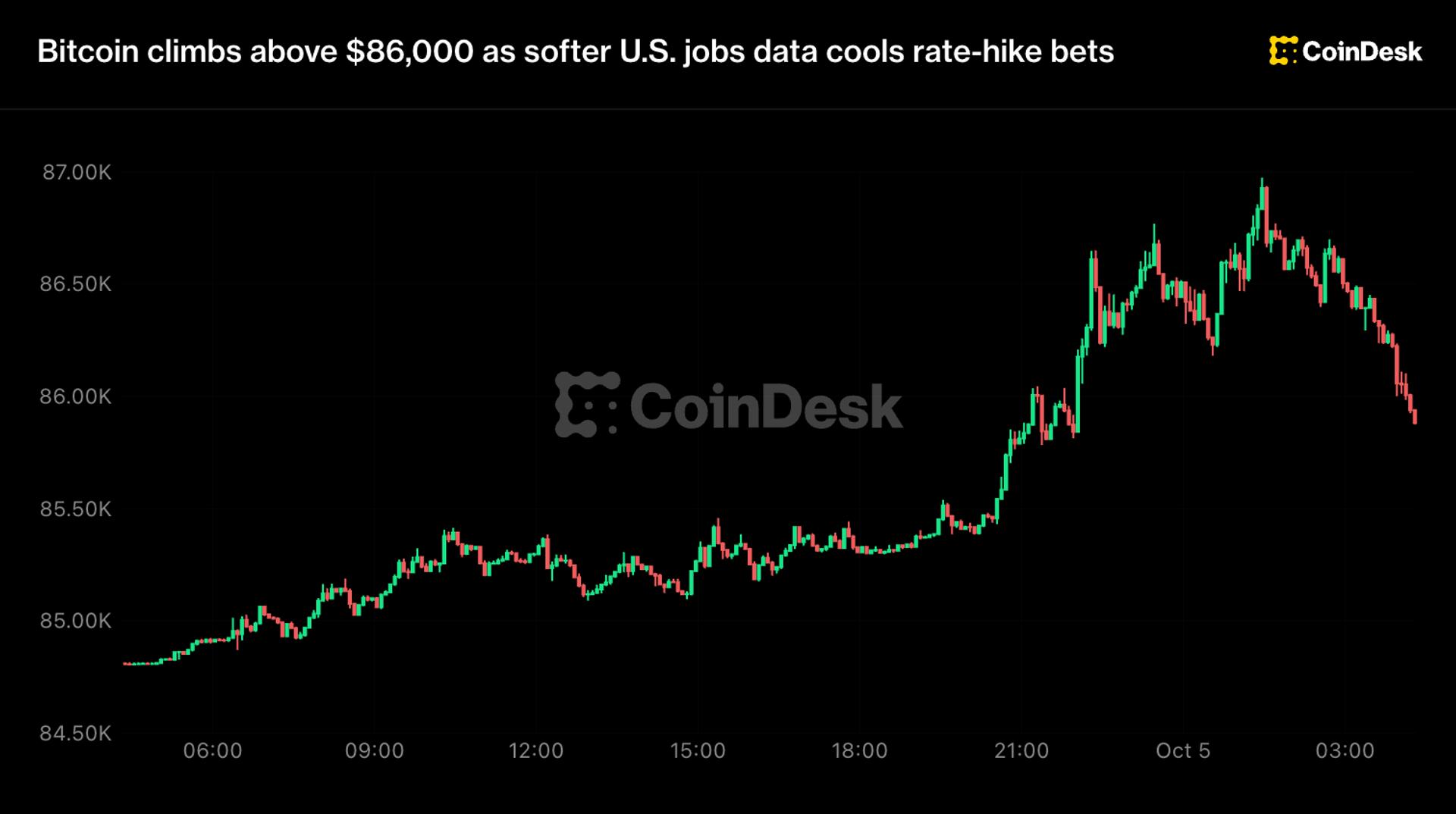
About $113 million in crypto short positions were liquidated over a 24-hour window, the kind of forced unwind that turns a quiet market into a violent one. The number comes from aggregate liquidation data tracked across major derivatives venues. When shorts get liquidated, exchanges buy back the asset to close the position — which can push prices higher, which triggers more short liquidations. That feedback loop is exactly what makes leveraged trading so unforgiving.
Why short liquidations cut both ways
A short seller borrows an asset, sells it, and hopes to buy it back cheaper. When the price moves against them and their margin runs out, the exchange closes the trade for them. That close is a market buy. Stack enough of those together in a short window and you get a squeeze — a chain reaction where each liquidation pushes the price up, forcing the next short out.
The $113 million figure is not enormous by crypto standards. It's the kind of daily total that shows up during a routine volatility spike, not a full-blown deleveraging event. But the direction matters. Short liquidations mean the pain landed on bearish traders this time, not the longs who usually get carried out during a sharp drop.
What the leverage stack looks like now
Liquidations clear out open interest. After a wave like this, the derivatives market is thinner — fewer positions, less borrowed money sitting on the books. That can mean calmer price action in the short term, because there's less fuel for a cascade. It can also mean the opposite: with less liquidity, the next move can be sharper and harder to stop.
There's no way to know which way it breaks from the liquidation data alone. The $113 million is a snapshot of what already happened, not a forecast. What it does tell you is that a meaningful chunk of leveraged short exposure is now gone, and the traders who survived it are sitting on either fresh losses or reduced conviction.
The instability question
Liquidation events are often framed as healthy — the market flushing out excess leverage. That framing is mostly cope. A $113 million wipeout means real money vanished from real accounts in less than a day. Some of those accounts belonged to retail traders who were overleveraged. Some belonged to desks that misjudged the timing. Either way, the forced buying pressure from closing those shorts has already been absorbed by the market, and the question now is whether the underlying price holds.
If it does, this becomes a footnote. If it doesn't, the next leg down could trigger a second round of liquidations on the long side — and that's when things get genuinely messy. Leverage cuts both ways, and today's short squeeze can set up tomorrow's long flush.
There's no scheduled event or regulatory deadline attached to this. The next thing to watch is simply whether the price action stabilizes over the coming sessions, or whether the forced buying that closed out these shorts turns out to have been the start of something bigger. Traders on both sides are watching the same charts, and the market will decide which way the leverage unwinds next.