Federal Reserve Chair Kevin Warsh made it clear this week: the central bank will not bail out the cryptocurrency industry. Testifying before the House Financial Services Committee on July 14, Warsh said the Fed does not want to be in the bailout business — 'full stop.' The remarks come as the stablecoin market swells near $310 billion and regulators scramble to meet a Saturday deadline for rules under the GENIUS Act.
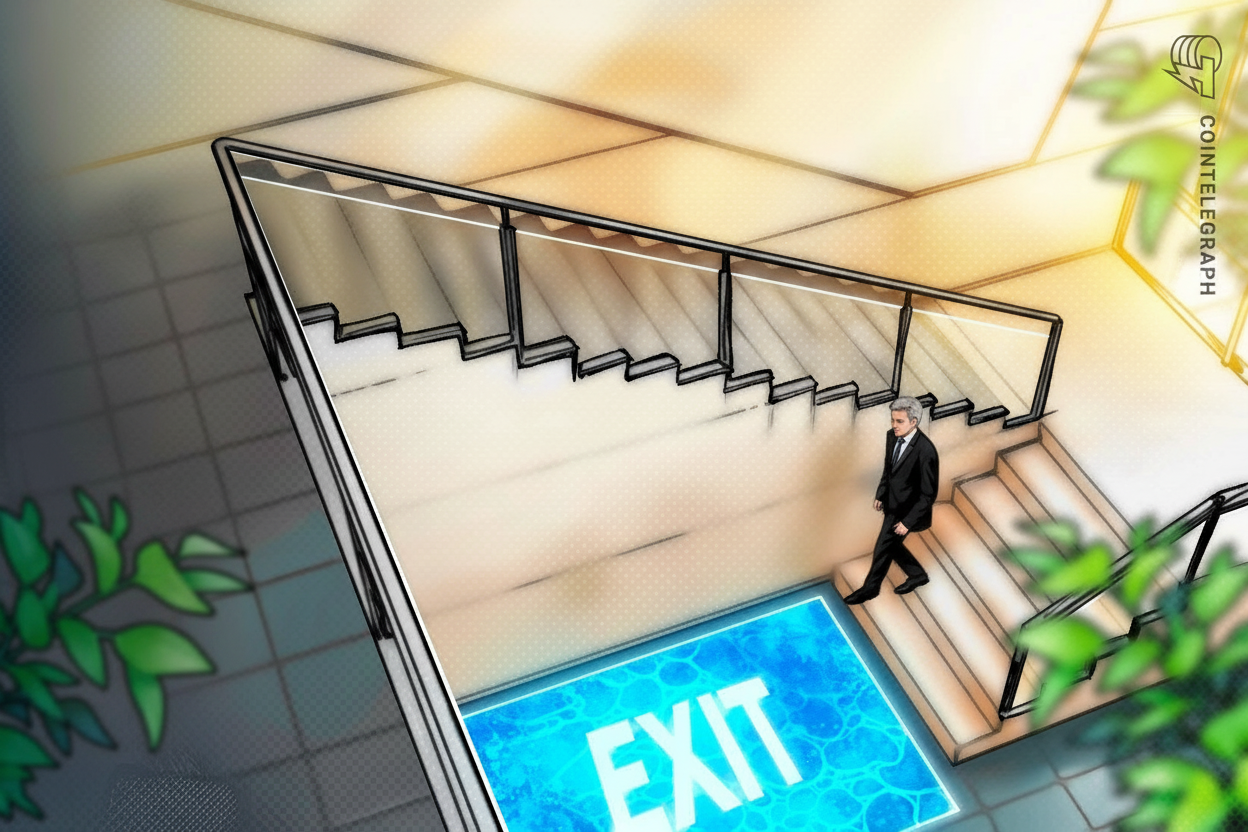
No bailouts, no exceptions
Warsh, who helped design the 2008 financial rescue as a Fed governor under Ben Bernanke, argued that post-crisis bailouts bred moral hazard. He wants to avoid repeating that for crypto. But he stopped short of an absolute pledge not to intervene. The Fed would act to limit 'extraordinary' risks over the next four years, leaving the door open for a systemic event. That caveat matters — especially for an industry that has seen multiple exchange collapses and runs on stablecoins.
A crypto-native Fed chair
Warsh is described as the first crypto-native Fed chair. During his nomination hearing, he called Bitcoin 'not a substitute for the U.S. dollar.' Still, he uses Bitcoin's price as a thermometer for whether monetary policy is in the right place. That dual view — skeptical of crypto as currency but attentive to its signals — shapes his approach. He defended Fed independence on monetary policy and pledged to shrink a balance sheet near $6.7 trillion.
GENIUS Act rules due Saturday
The stablecoin law, enacted in 2025, pays stablecoin holders ahead of other creditors when an issuer fails and requires full reserves behind each coin. The Fed is 'racing' to publish its proposals on time. At the Senate Banking Committee, Warsh urged banking regulators to coordinate on rulemaking to prevent regulatory arbitrage. The clock is ticking: Saturday is the deadline.
What happens if the Fed misses it? Warsh didn't say. But the stablecoin market isn't waiting — it's near $310 billion and growing. The rules will determine how those reserves are held, who audits them, and what happens if an issuer goes under. For now, the message from the Fed chair is blunt: don't expect a lifeline.