Executive Summary
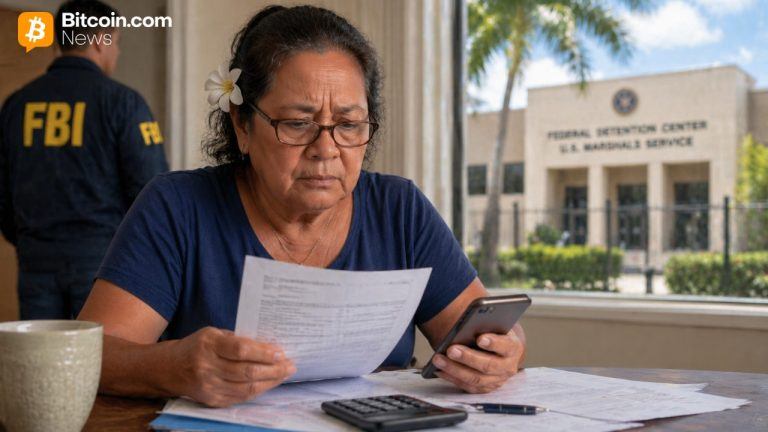
Sze Man Yu Inos has been sentenced to 71 months in federal prison after a jury convicted him of running a wire‑fraud scheme that used Bitcoin to lure victims. Prosecutors said the operation defrauded victims of roughly $769,000, primarily targeting older adults living in Saipan before expanding to other regions.
What Happened
In a case that concluded this week, a federal judge imposed a 71‑month prison term on Sze Man Yu Inos for orchestrating a multi‑state wire‑fraud operation. The scheme centered on promises of high returns from Bitcoin investments, a pitch that convinced victims to transfer funds into accounts controlled by Inos and his associates. Federal investigators traced the flow of money and identified the victims as mostly senior citizens residing in Saipan, a U.S. Commonwealth in the Pacific.
The court heard that Inos relied heavily on personal trust, presenting himself as a knowledgeable Bitcoin advisor. He offered false assurances that the cryptocurrency would generate substantial profits, prompting victims to part with their savings. After the scheme originated in Saipan, similar tactics were employed in other geographic areas, broadening the reach of the fraud.
Background / Context
Bitcoin, the world’s first decentralized digital currency, has attracted both legitimate investors and bad actors alike. Its pseudonymous nature and the perception of rapid gains make it an appealing vehicle for fraudsters seeking to exploit trust. In this case, Inos capitalized on the limited familiarity many older adults have with blockchain technology, framing Bitcoin as a secure, high‑yield opportunity.
The victims, largely retirees in Saipan, were drawn in by personal relationships and the promise of financial security. Once funds were transferred, Inos and his network used the proceeds to fund personal expenses and to further the illusion of a successful investment operation, thereby encouraging additional contributions.
Reactions
Federal prosecutors highlighted the deceptive Bitcoin claims during the trial, emphasizing the need for vigilance when dealing with cryptocurrency investments that promise unusually high returns. Victim advocacy groups expressed relief that the case resulted in a substantial prison term, noting that the sentencing sends a clear message to those who would exploit vulnerable populations.
Community leaders in Saipan called for increased financial‑education initiatives to help seniors recognize and avoid similar scams. While no official statements from Inos were recorded, the court’s decision reflects a broader law‑enforcement focus on crypto‑related fraud.
What It Means
The sentencing underscores the growing scrutiny of cryptocurrency‑based scams by U.S. authorities. Even though Bitcoin itself remains a legal asset, its misuse in fraudulent schemes can attract serious criminal charges, especially when victims are misled about the nature of the investment.
For investors, the case serves as a reminder that due diligence is essential, regardless of the technology involved. Regulators continue to advise the public to verify the credentials of anyone offering cryptocurrency investment opportunities, particularly when the pitch relies on personal trust and promises of guaranteed returns.
Law‑enforcement agencies are expected to maintain a heightened focus on crypto‑related fraud, employing digital‑forensic tools to trace transactions and build cases against perpetrators. The outcome of Inos’s trial may encourage more victims to come forward, potentially uncovering additional schemes that exploit the allure of digital assets.