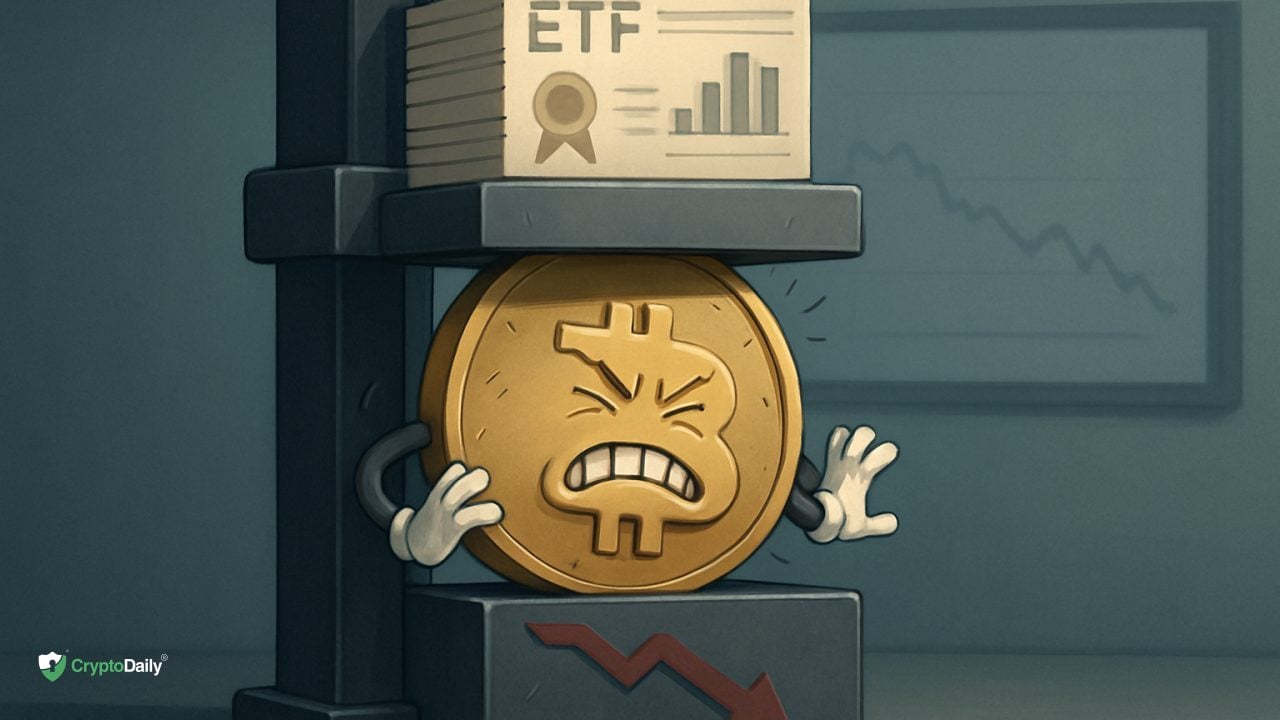
The German government unloaded nearly 50,000 Bitcoin this week, taking in $2.89 billion at an average price of $57,900 per coin. The sale — one of the largest ever by a state — closed out a position that now looks costly: Bitcoin's run higher in the weeks since means the government left billions in potential gains on the table.
The 49,858-BTC fire sale
The sales spanned multiple days, with the German government offloading 49,858 Bitcoin in total. Federal authorities likely used a mix of over-the-counter desks and exchanges to execute the trades, though they didn't disclose the exact method. The $2.89 billion haul made for a tidy sum, but the timing raised eyebrows. At the $57,900 average sale price, the government sold into a market that was already showing signs of upward momentum.
What that $57,900 average cost them
The missed gains are hard to ignore. If the government had held even a few more weeks, the same 49,858 Bitcoin would have fetched billions more. Instead, the sale price now looks like a floor that buyers happily scooped up. The loss isn't just hypothetical — it's real opportunity cost. For a government that acquired much of this Bitcoin through forfeitures and seizures, the decision to sell quickly rather than dribble it out over months or years appears especially shortsighted in hindsight.
A pattern of early exits
Governments seizing crypto often face a dilemma: hold and risk price declines, or sell fast and avoid the headache of custody. Germany chose the latter, but the result is a familiar story. The U.S. government, which holds over 200,000 Bitcoin from various seizures, has faced similar criticism for its own periodic sales. Germany's sale this week, though, is the most concentrated. The 49,858 Bitcoin moved at once, creating a wall of supply that the market absorbed — and then promptly rallied past.
The sale leaves Germany's Bitcoin stash essentially empty, a decision that will be debated for years.