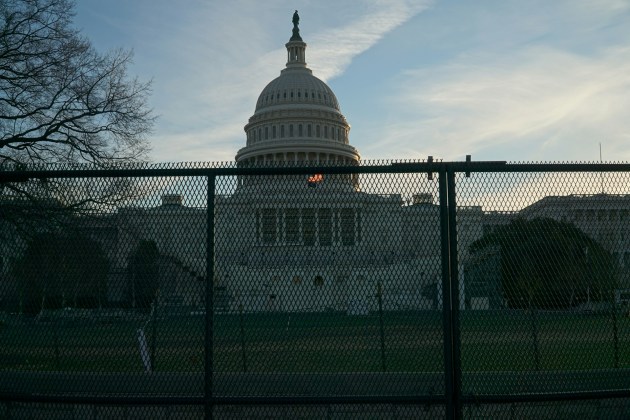
House lawmakers will hold a roundtable on June 25 to examine whether digital assets can help people living under repressive governments or failing financial systems. The session, announced June 18, connects cryptocurrency access directly to U.S. national security. Its stated goal: to see if crypto can challenge the grip China and Russia have on financial freedom.
Why the roundtable now
The timing isn't accidental. With authoritarian states tightening capital controls and weaponizing their financial systems, the U.S. is looking for countermeasures. The congressional announcement frames digital assets as more than just an investment vehicle — they're a potential tool for foreign policy. The roundtable will review how decentralized money could offer an escape hatch for people cut off from traditional banking by their own governments.
The geopolitical angle
China and Russia have long pushed for alternative payment systems that bypass the dollar, but they also maintain strict control over their own citizens' finances. Lawmakers want to know whether crypto, by its permissionless nature, can undermine that control. The discussion puts digital assets squarely in the national security conversation — a shift from the usual focus on consumer protection or market manipulation. That could reshape how Washington regulates the space going forward.
What to watch for
The roundtable is scheduled for June 25 on Capitol Hill. No witness list or specific agenda has been released yet, but the framing suggests a broad look at real-world use cases — from dissidents in authoritarian states to people in hyperinflationary economies. The key question: can crypto deliver on that promise without becoming a tool for sanctions evasion or illicit finance? The answer will determine whether this turns into legislation or stays a talking point.