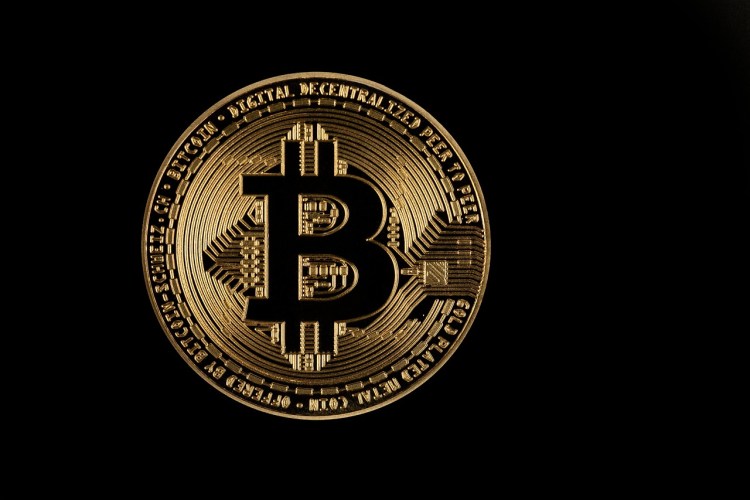
India has made its position on cryptocurrency clear: buying, selling, and holding digital assets is legal — but they are not recognized as legal tender. The distinction, formalized over recent months, marks a shift from years of regulatory uncertainty to a framework focused on monitoring and taxation. For traders and exchanges operating in India, the message is straightforward — you can own crypto, but don't expect to use it to pay your taxes.
Legal status, not currency status
By law, only the rupee is legal tender in India. That means crypto cannot be used to settle debts or make official payments. But the government has explicitly allowed individuals and businesses to buy, sell, and hold digital assets as property or commodities. This removes a long-standing fear that a blanket ban might be coming. Instead, the approach mirrors many other jurisdictions that treat crypto as an asset class rather than a currency.
Taxation takes center stage
With legal clarity came tax rules. India's tax authorities now require crypto gains to be reported and taxed. Exchanges must collect and report transaction data. The shift from regulatory uncertainty to structured monitoring means users can't simply operate in the shadows anymore. The tax rate and specific compliance details are set by the country's tax framework — and they apply to both casual traders and large investors. For the government, the goal is clear: bring crypto into the formal economy and capture revenue from it.
Market reaction
The clarity has brought some relief to traders and exchanges, who previously operated in a gray area. No one is celebrating a tax bill, but many prefer a known rulebook to the threat of sudden enforcement. Domestic exchanges have adjusted their platforms to comply with reporting requirements. The overall effect has been a more predictable environment — one where users know what they owe and what they can expect from regulators.
For now, the focus remains on how effectively the tax and monitoring systems will be enforced. India's crypto ecosystem is still evolving, and the next test will be whether the current rules strike the right balance between oversight and innovation.