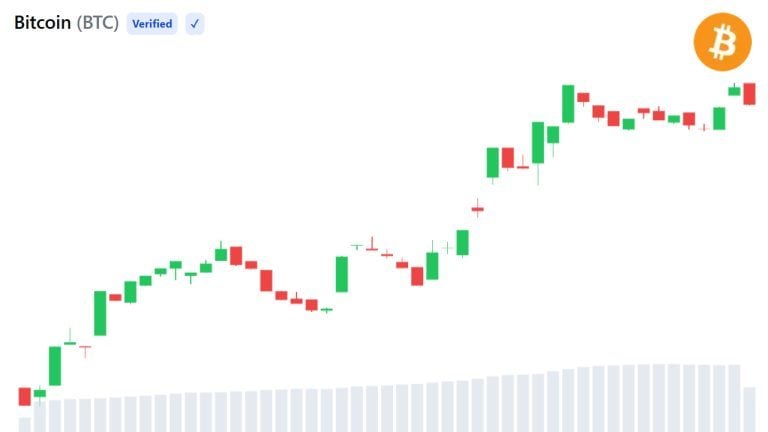
Institutional money is returning to crypto in earnest this spring. Spot Bitcoin ETFs are logging their best inflow streak in months, prediction markets are no longer a niche oddity but a serious destination for hedge fund capital, and a growing number of banks are moving tokenized finance projects from pilot to production. The pattern points to a market that is slowly shedding its retail-trading reputation and building the plumbing for larger, more regulated players.
Bitcoin ETFs hit a rhythm
Spot Bitcoin ETFs have been drawing steady net inflows for several consecutive weeks, reversing the outflows that marked the first quarter. The buying pressure isn't coming from day traders flipping the spread — it's coming from registered investment advisers and pension consultants allocating for the first time. One ETF issuer quietly told clients the flows are "the most consistent we've seen since launch." The timing isn't accidental: clearer SEC guidance on custody and a softer macroeconomic backdrop have removed two of the biggest hurdles that kept institutional allocators on the sidelines.
Prediction markets grow up
Prediction markets are maturing faster than most observers expected. Once a curiosity dominated by election betting and sports, the sector now hosts active contracts on Fed rate decisions, corporate earnings, and commodity prices. Several multi-strategy funds have started using these markets as a cheaper, faster alternative to traditional derivatives for event-driven bets. Regulators in the UK and Singapore have signaled they will license the biggest platforms, giving compliance teams the green light they needed to participate. The result: daily volume on the top two prediction market protocols has tripled since January.
Banks go token
Tokenized finance is moving past the proof-of-concept stage. At least half a dozen major banks are now issuing short-term debt instruments as tokens on public blockchains, settling trades in near-real time instead of T+2. The operational savings are real, and the risk teams are finally comfortable with the technology after years of sandbox testing. One European bank told a conference this week that its tokenized commercial paper program has reduced settlement costs by 40% versus the legacy system. More banks are expected to announce similar initiatives before the end of the third quarter.
What happens next depends largely on regulatory finality. The European Union's MiCA framework is already live, and U.S. lawmakers are pushing a stablecoin bill that could clarify the legal status of tokenized deposits. If that passes this summer, the institutional migration now underway could accelerate sharply. For now, the money is moving — slowly, deliberately, but unmistakably.