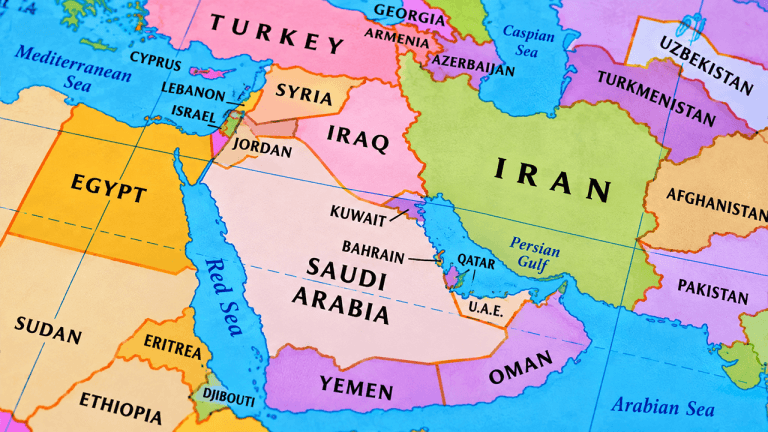
The European Union and Persian Gulf states are pressing Iran to keep the Strait of Hormuz open, but Tehran is now demanding transit fees in Bitcoin and USDT. The move, reported by Crypto Briefing, marks a sharp escalation in how cryptocurrency is being used to bypass international sanctions. For tankers moving through the chokepoint, the price of passage is no longer just political — it's digital.
Why the Strait matters
Roughly a fifth of the world's oil passes through the Strait of Hormuz. Any disruption sends crude prices spiking and rattles global supply chains. Iran has threatened to restrict traffic before, but this is the first time it has tied passage to a cryptocurrency payment system. The demand for Bitcoin and USDT — a stablecoin pegged to the dollar — gives Tehran a way to collect revenue without touching the traditional banking system.
Sanctions evasion gets a new tool
US and EU sanctions already cut Iran off from SWIFT and most dollar-denominated transactions. Crypto offers a workaround. By requiring tolls in Bitcoin or USDT, Iran can move value across borders with little oversight. Regulators have long warned that digital assets could undermine sanctions. This is that warning made real. The EU and Gulf states now face a dilemma: accept the crypto tolls and legitimize the system, or push back and risk a closure that roils energy markets.
What the EU and Gulf states are doing
Diplomatic pressure is ramping up. The EU has called for a unified stance, while Gulf nations — especially Saudi Arabia and the UAE — are wary of any precedent that lets Iran weaponize the waterway. No formal countermeasure has been announced yet, but discussions are underway. The timing isn't great: global oil demand is already tight, and a prolonged standoff could push prices higher.
What comes next
Talks are expected to continue this week, with EU foreign ministers scheduled to meet on July 22. The question hanging over the room: can a diplomatic solution keep the Strait open without giving Iran a crypto-powered sanctions loophole? No one's betting on a quick answer.