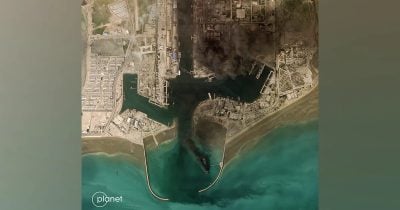
Iran has condemned a US military strike near a children's hospital in Ahvaz as a 'war crime,' escalating rhetoric between the two countries. The attack, which occurred in the southwestern city, has drawn sharp condemnation from Tehran, which says it violates international law. The incident comes amid already heightened US-Iran tensions that threaten to destabilize Iran's leadership and ripple across the region.
Why the strike drew condemnation
Iranian officials say the strike hit close to a pediatric hospital in Ahvaz, a city that has seen sporadic unrest. The government labeled the action a 'war crime,' though it did not provide immediate casualty figures. The location—near a medical facility—has amplified the outcry, with state media broadcasting images of damaged buildings and emergency crews. The US has not commented on the specific target, but the strike is part of a broader pattern of military operations in the region.
Risks to Iran's internal stability
The escalating confrontation poses a direct challenge to Iran's regime. Economic pressures from sanctions and public discontent have already strained the government. A military conflict could further erode its grip on power. Analysts within the region note that the regime's survival depends on maintaining control, and any external attack risks inflaming domestic unrest. The strike near a hospital—a symbol of civilian life—could galvanize opposition or, conversely, rally nationalist sentiment behind the leadership.
Regional security concerns
The US-Iran standoff is not contained to their borders. Neighboring countries, including Iraq and the Gulf states, worry about spillover violence. The strike in Ahvaz, close to the Iraqi border, raises fears of proxy clashes or accidental escalation. Iran has allies in Iraq, Syria, and Yemen, and any miscalculation could draw in those actors. Regional security frameworks, already fragile, face new stress as both sides refuse to de-escalate.
Global market perceptions
Investors are watching closely. The threat of a broader conflict in the Middle East—a key oil-producing region—has injected volatility into global markets. Crude prices have edged up on fears of supply disruptions. The strike near Ahvaz, in Iran's oil-rich Khuzestan province, adds to that uncertainty. Market participants are pricing in a higher risk premium, though no major sell-off has occurred yet. The situation remains fluid, with traders awaiting the next move from Washington or Tehran.
Neither side has signaled a willingness to back down. Iran's war-crime accusation sets the stage for possible legal or diplomatic action, while the US continues its military posture in the region. The next steps—whether a UN Security Council meeting, further strikes, or back-channel talks—remain unclear.