Iran and the United States are negotiating a 14-point memorandum of understanding that could stabilize global markets, including crypto, as tensions in the Strait of Hormuz continue to reshape the digital asset landscape. The talks, confirmed by sources close to the discussions, come at a time when the waterway's instability has already begun to affect trading patterns and risk appetite among crypto investors.
The 14-point MOU
The proposed MOU covers a range of issues, but its potential to de-escalate the Strait of Hormuz standoff is drawing the most attention from crypto traders. A formal agreement would likely reduce the risk premium baked into oil and shipping markets, which in turn could calm volatility in crypto markets that have been correlated with geopolitical shocks. Neither side has released the full text, but the framework is said to include confidence-building measures and a timeline for implementation.
Strait of Hormuz and crypto's new risk factor
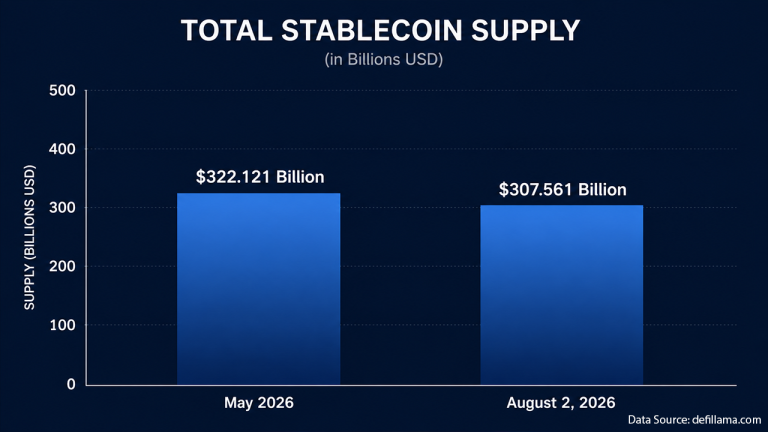
Recent weeks have seen crypto prices swing in tandem with headlines from the Strait of Hormuz, a chokepoint for about a fifth of the world's oil supply. The link is indirect but real: when tensions spike, risk assets including bitcoin tend to sell off, while stablecoin volumes surge as traders seek safety. The ongoing negotiations have already tempered some of the volatility, but the situation remains fluid.
Sanctions and regulatory challenges
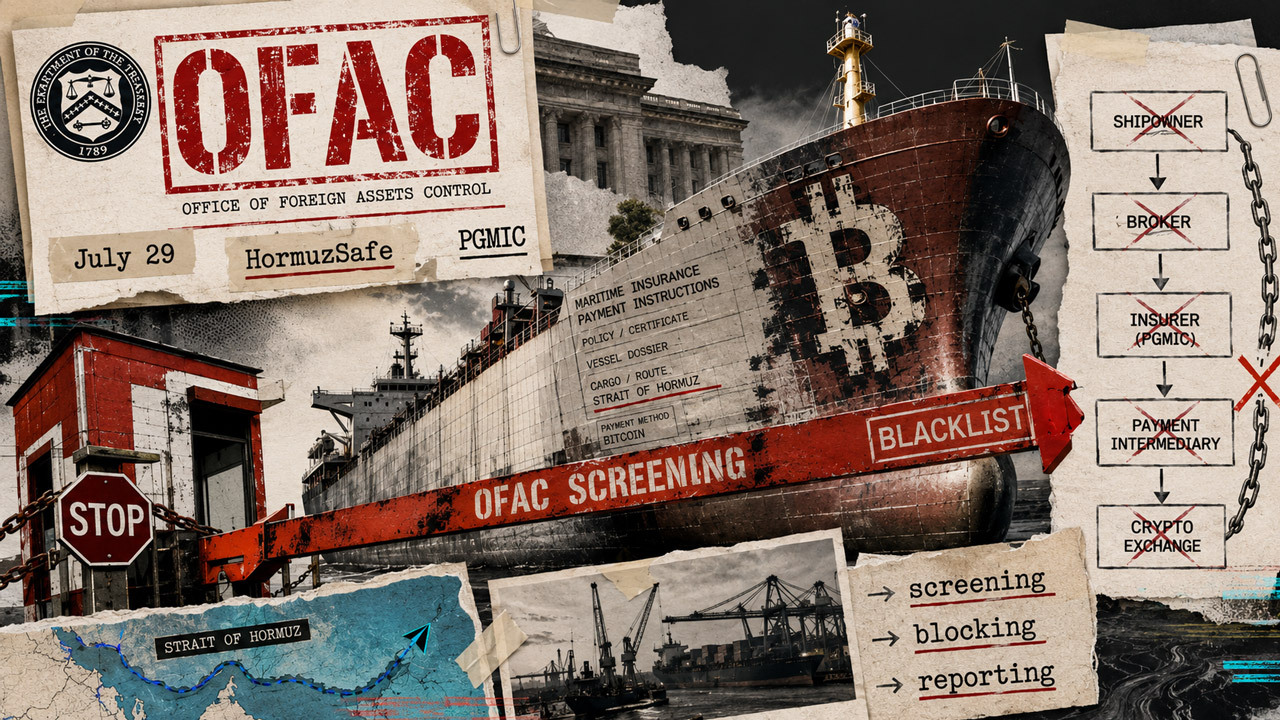
The talks also highlight the tricky position of crypto regulators. US sanctions on Iran have long been a gray area for crypto exchanges, which must balance compliance with the risk of cutting off legitimate users. A détente could ease some of those pressures, but it also raises questions about how sanctions enforcement will adapt if Iran is brought back into the global financial system. Regulators are watching closely.
The next round of talks is expected within weeks. If the MOU is signed, it could open the door for broader discussions on digital asset policy between the two countries. For now, the market is waiting — and watching the Strait.