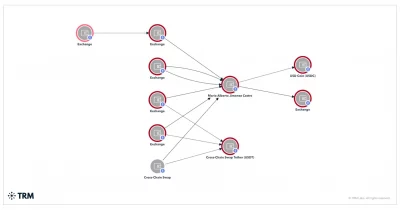
Iran has amassed a cryptocurrency stockpile valued at roughly $7.7 billion, a stash that underscores how digital assets are quietly eroding the reach of international financial sanctions. The figure, confirmed by multiple tracking sources this week, highlights a growing blind spot for policy makers: crypto moves fast, leaves a porous trail, and offers Tehran liquidity it shouldn't have.
How crypto slips through
Sanctions on Iran have historically targeted the banking system and physical cash flows. Crypto doesn't play by those rules. Peer-to-peer exchanges, decentralized platforms, and off-ramps in jurisdictions with lax oversight let Iran convert oil revenue or other proceeds into digital tokens without touching a correspondent bank. The result is a sanctions-evasion pipeline that's hard to pinch off.
Why $7.7 billion matters
That number isn't pocket change. It's roughly the same size as Iran's entire official foreign exchange reserves a decade ago. Held in a mix of bitcoin, tether, and other stablecoins, the stockpile gives Tehran a liquid war chest that can be moved in hours — not the days it takes to shift gold or fiat through front companies. The liquidity risk for the rest of the market is real: if Iran ever decided to dump a large chunk, it could rattle prices far beyond its own borders.
Enforcement is playing catch-up
No single regulator or agency is fully responsible for tracking state-level crypto holdings. The U.S. Treasury's Office of Foreign Assets Control has issued guidance, and the European Union has tightened crypto licensing rules, but enforcement remains fragmented. Iran's stockpile didn't appear overnight — it was built through years of small, hard-to-detect trades. The tools to freeze or seize it are still largely theoretical.
What comes next
The Biden administration is expected to release an updated digital asset sanctions framework later this quarter. Whether that framework includes specific tools to target state-held crypto wallets — or just more reporting requirements — is still an open question. For now, Iran's $7.7 billion sits in the gray zone, a reminder that the old rules of financial warfare don't apply online.