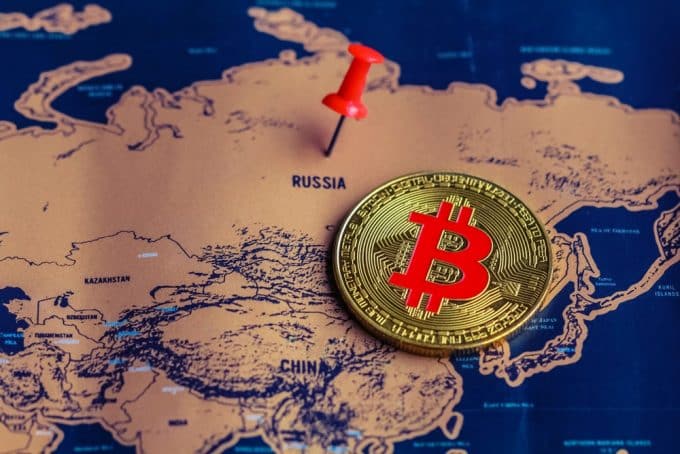
Iran is pushing to recover its frozen assets held overseas, a diplomatic effort that’s already sending shockwaves through energy markets — and, by extension, the Bitcoin market. The negotiations, which involve the United States and other nations, come amid ongoing American oil sanctions that have kept Iranian crude off global markets since 2018. With talks picking up this week, traders are watching closely: any resolution could upend oil prices and shift the demand picture for cryptocurrencies.
Why Iran’s assets matter for Bitcoin
The link between Iran’s frozen assets and Bitcoin isn’t obvious on its face, but it runs through energy prices. Iran holds one of the world’s largest oil reserves, and its return to the global market would add supply at a time when OPEC+ is already struggling to manage output. Lower oil prices tend to reduce inflation pressure, which historically dampens the appeal of Bitcoin as an inflation hedge. At the same time, cheaper energy could lower mining costs for some operators, though the net effect on price is uncertain. What’s clear is that the two markets are connected — and a shift in Tehran could swing both.
The sanctions backdrop
US oil sanctions have been the primary barrier. Iran says it’s seeking the return of assets frozen in several countries, including South Korea and Iraq, as part of broader nuclear talks. The Biden administration has not signaled a willingness to lift sanctions quickly, but the asset negotiations are seen by some as a potential first step. For now, the status quo holds: Iran exports a fraction of its pre-sanction volumes, mostly via opaque channels. Any formal deal would change that calculus overnight.
What a deal could mean for crypto
A thaw in US-Iran relations would likely bring more oil to market, pushing prices down. For Bitcoin, that could cut two ways. On one hand, lower energy costs reduce the breakeven price for miners, which can be bullish for network security. On the other, Bitcoin’s recent price action has closely tracked macro liquidity — and a drop in oil-driven inflation could reduce the urgency for central banks to hold rates low. The net direction is anyone’s guess, but the correlation is real. Some traders are already positioning for volatility, with options markets showing elevated implied moves for the end of the quarter.
Broader economic stakes
This isn’t just about crypto or oil. Iran’s re-entry would ripple through global trade, shipping costs, and the dollar’s role in energy transactions. China, a major buyer of Iranian crude before sanctions, would be a direct beneficiary. For crypto markets, the biggest question may be whether a diplomatic breakthrough boosts risk appetite across the board — or whether it triggers a reassessment of the inflation narrative that has driven Bitcoin higher this year. The talks are expected to continue through July, with no firm deadline.