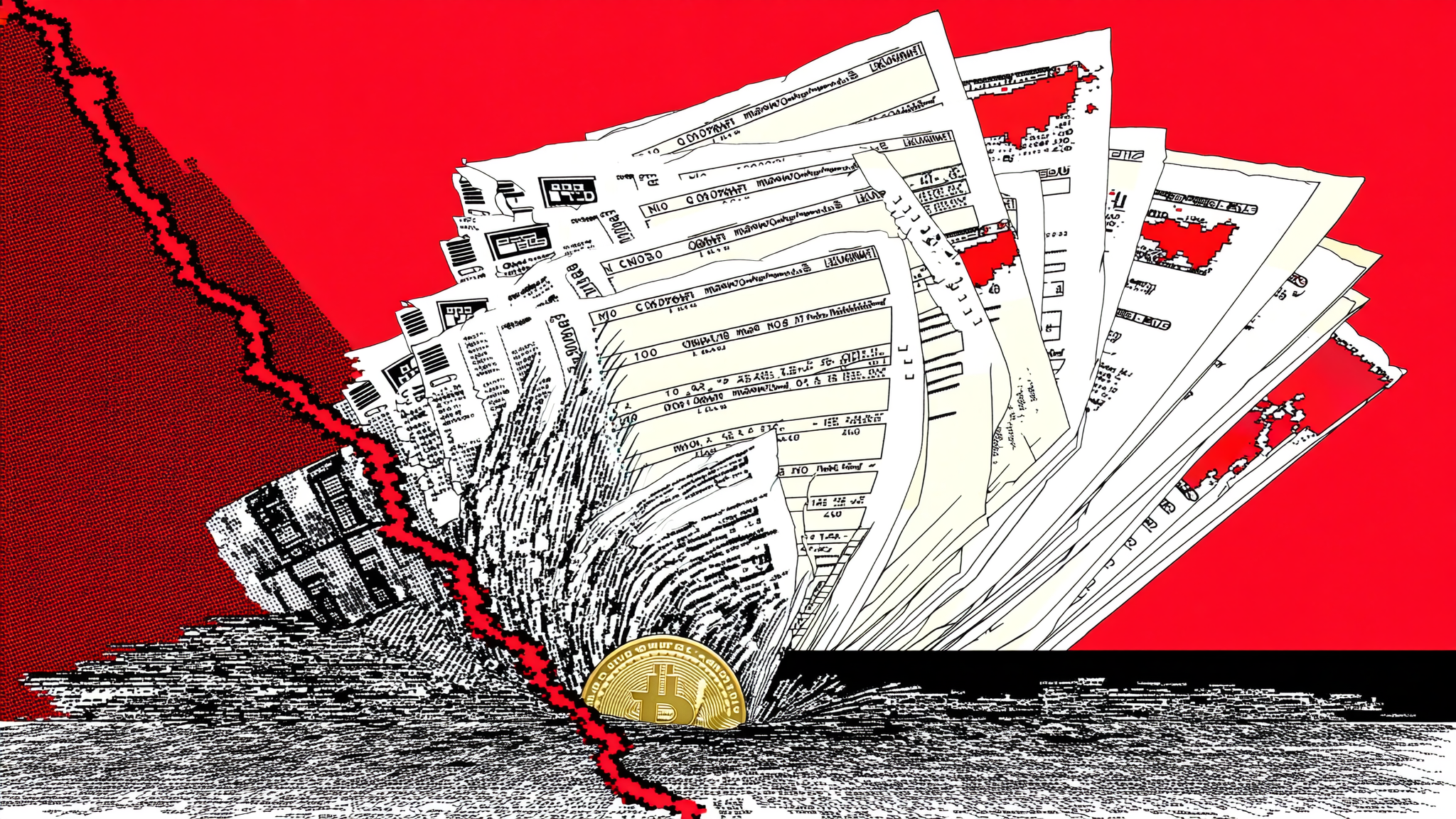
Iran's Islamic Revolutionary Guard Corps struck a U.S. airbase Thursday in a retaliatory attack, sending a fresh wave of anxiety through cryptocurrency markets. The strike, which marks a sharp escalation between Tehran and Washington, has traders bracing for volatility that could hit leveraged positions hard.
Why crypto traders are on edge
Geopolitical shocks have a track record of jolting crypto prices, often in unpredictable directions. The IRGC's direct attack on a U.S. military installation is the kind of event that can trigger rapid sell-offs — or sudden flight into Bitcoin as a hedge. Either way, the uncertainty is the problem.
The timing isn't great. Markets were already skittish after weeks of mixed macroeconomic signals. Now a military confrontation adds a layer of risk that's hard to model. Exchange order books tend to thin out during such moments, amplifying any move.
The leverage risk factor
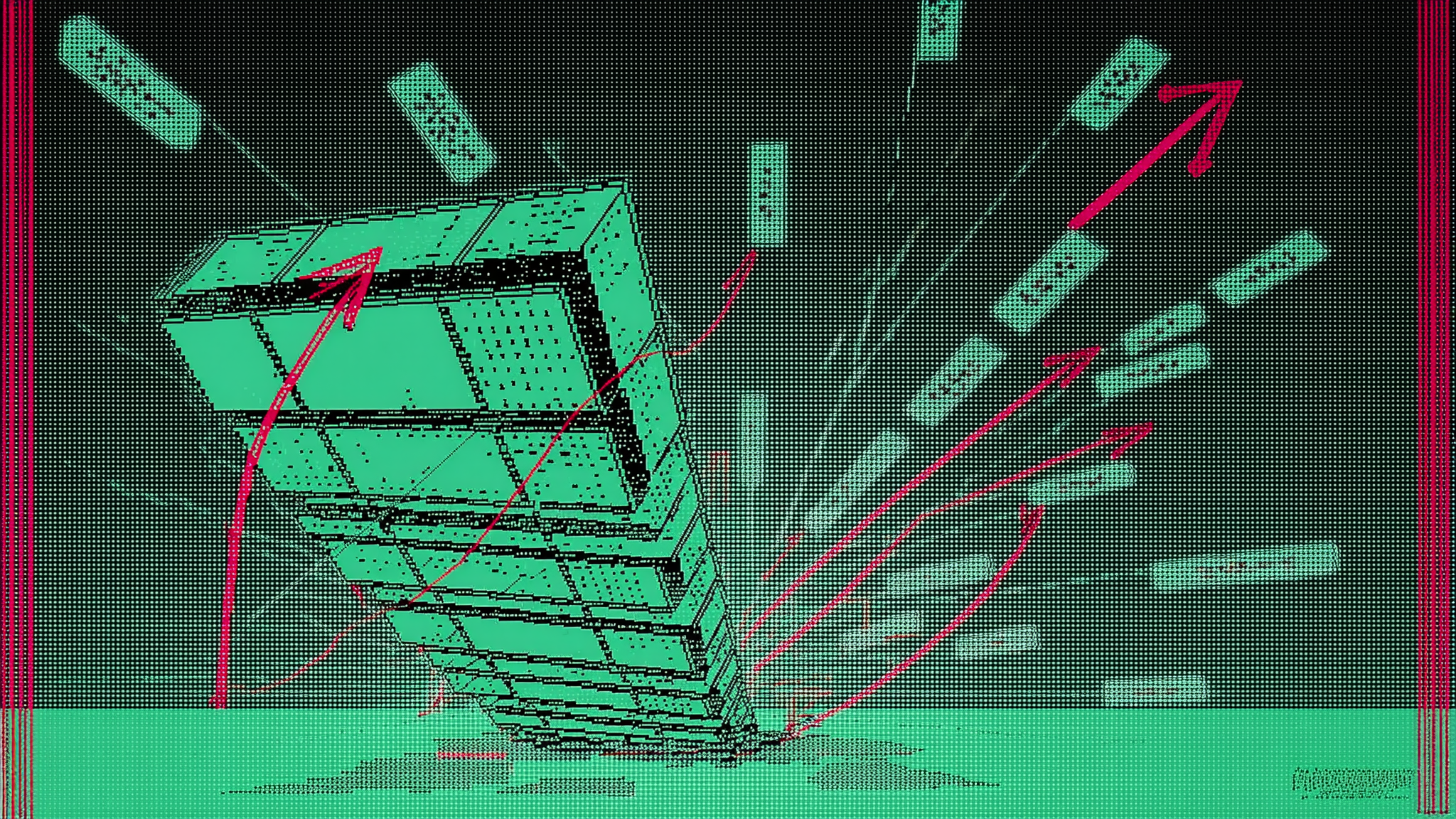
Tensions like these expose a structural weakness in crypto markets: high leverage. When a black-swan event hits, liquidations can cascade, driving prices further and faster than fundamentals would suggest. Trading desks are already warning clients to reduce margin positions or face potential wipeouts.
Perpetual swap funding rates have flipped negative on some exchanges this afternoon, a sign that shorts are piling in. But a short squeeze is just as possible if the situation stabilizes quickly. No one knows which way the trigger pulls.
What comes next
The immediate question is whether the U.S. will retaliate in kind. If the conflict widens, crypto markets could see days of choppy, low-liquidity trading. If de-escalation happens fast, the volatility might fade as quickly as it appeared. Either way, the event is a reminder that crypto doesn't exist in a geopolitical vacuum — and that leverage is a dangerous companion in times like these.