What Triggered the Firestorm?
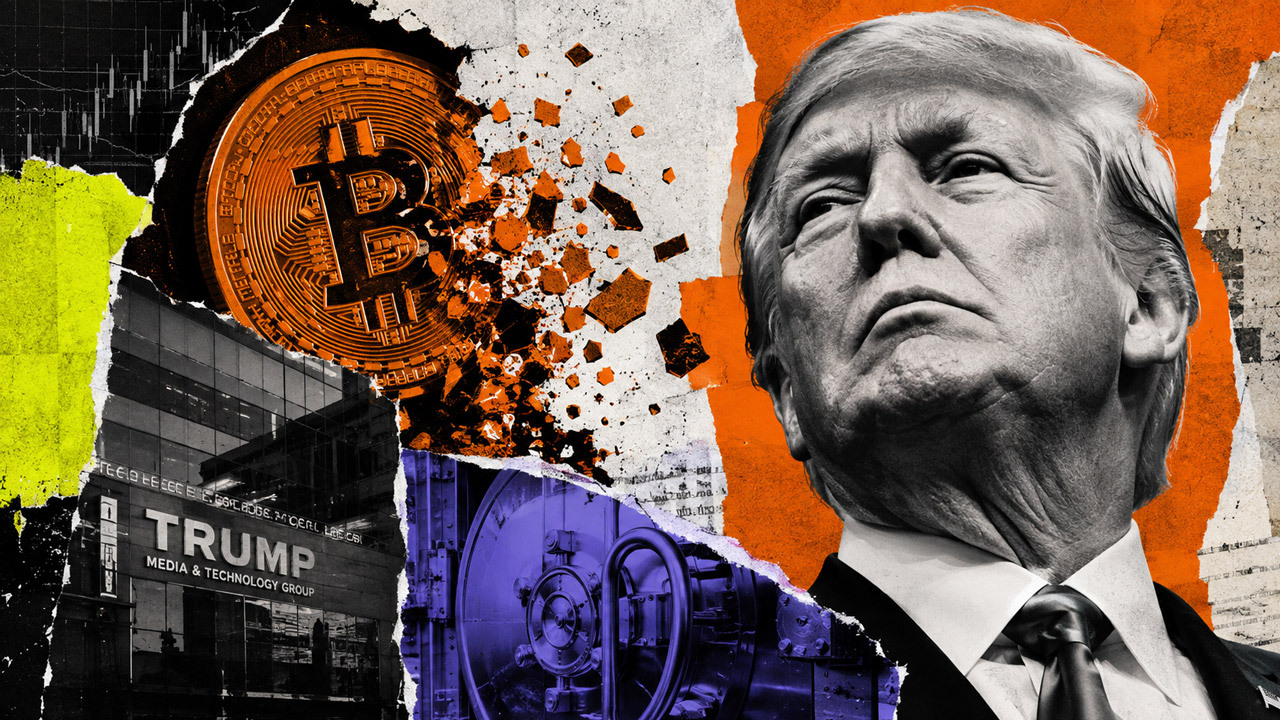
In a sharply worded post that has rippled across the crypto community, Tron founder Justin Sun slammed the WLFI governance vote as “absurd.” The criticism landed on social media this week, targeting a platform that many observers link to former President Donald Trump. Sun’s comments centered on a proposal that, if approved, would lock dissenting token holders out of future voting and impose severe token lock‑ups.
Why the Governance Proposal Matters
The WLFI team says the vote is designed to synchronize stakeholders around a long‑term vision for the project. Their argument is that a unified voting pool can accelerate development, attract institutional capital, and improve token stability. However, Sun’s objection highlights a growing tension in decentralized finance: how to balance coordinated strategy with genuine community participation.
Sun’s Main Concerns: Token Lock‑Ups and Voting Rights
According to Sun, the draft would punish anyone who votes against the plan by freezing their tokens for an undefined period and barring them from future governance decisions. He warned that such measures could "turn a democratic token ecosystem into a corporate‑style voting club," effectively disenfranchising ordinary investors.
- Potential lock‑up duration: up to 12 months, according to the proposal draft.
- Estimated impact: a survey by CryptoPulse found that 62% of token holders view prolonged lock‑ups as a barrier to participation.
- Voting power: dissenters could lose up to 30% of their voting influence.
These figures suggest that the proposal could reshape how power is distributed within WLFI, prompting fears of a centralized elite.
WLFI’s Counter‑Argument: Aligning for Long‑Term Success
WLFI representatives quickly responded, insisting that the governance move is intended to protect the project’s future. They argue that a cohesive voting bloc can fend off hostile takeovers and reduce volatility, ultimately benefiting token holders.
"Our aim is to create a stable environment where developers and investors can plan with confidence," said a WLFI spokesperson. "The lock‑up mechanism is a safeguard, not a punishment."
Expert Take: The Broader Implications for Crypto Governance
Crypto analyst Aisha Rahman of BlockMetrics notes that the clash reflects a larger debate about governance in blockchain projects. "When platforms start imposing punitive lock‑ups, they risk alienating the very community that fuels their network effects," she explained. "We’ve seen similar push‑backs in other tokenized ecosystems, where governance fatigue leads to splintered forks."
Rahman points to a 2023 study that found 48% of decentralized projects experienced at least one governance dispute involving voting rights within their first two years. This statistic underscores how fragile consensus can be when power structures shift.
Possible Outcomes: From Compromise to Conflict
There are several paths the WLFI vote could take:
- Amend the proposal: WLFI might soften the lock‑up terms to address community backlash.
- Proceed as planned: If the vote passes, dissenters could face the outlined restrictions, potentially prompting a migration of tokens to rival platforms.
- Stall the vote: Ongoing controversy could delay the decision, giving both sides more time to negotiate.
Each scenario carries distinct risks and rewards for investors, developers, and the broader ecosystem.
What This Means for Investors
For holders of WLFI tokens, the immediate takeaway is to stay vigilant. Monitoring governance forums, checking the proposal’s exact language, and assessing personal exposure to lock‑ups are prudent steps. Diversification remains a key strategy, especially when a single governance event could reshape token utility.
Conclusion: The WLFI Governance Vote Remains a Flashpoint
The heated exchange between Justin Sun and WLFI underscores how governance proposals can become flashpoints in the crypto world. As the WLFI governance vote approaches its deadline, stakeholders must weigh the promise of long‑term alignment against the risk of curtailing voting freedom. Whether the community finds a middle ground or the dispute escalates, the outcome will likely set a precedent for how token‑based voting structures evolve in politically linked projects.
Stay informed, engage in the conversation, and consider how upcoming governance decisions could affect your portfolio.