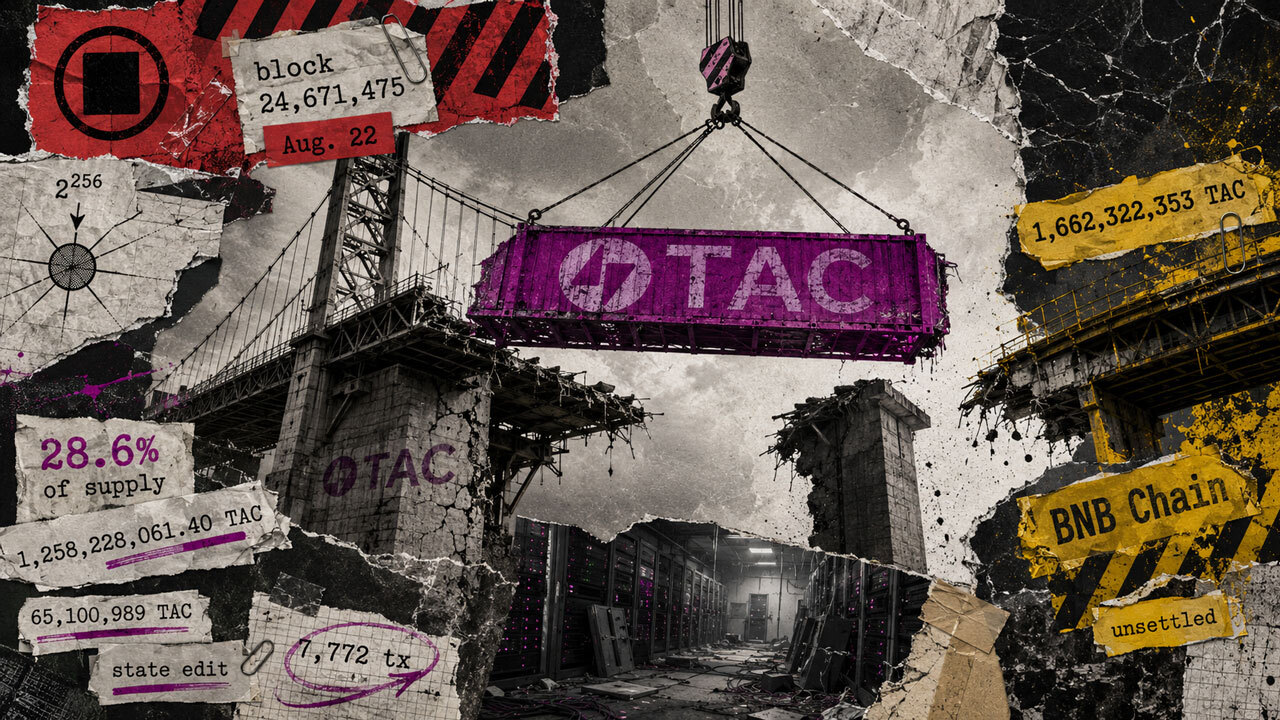
KelpDAO, a decentralized finance protocol, suffered an exploit this week, adding to a growing tally of breaches that industry observers now warn could push crypto-related hack losses to $1.2 billion by the end of 2026. The attack, which targeted the protocol's smart contracts, is the latest reminder that DeFi remains a prime target for attackers despite years of security upgrades.
The KelpDAO Incident
Details on the exact mechanism and total value lost are still emerging, but the exploit is confirmed by KelpDAO's team. The protocol paused operations shortly after the breach was detected. This isn't the first time KelpDAO has faced scrutiny — but this week's incident is by far the most severe, according to a brief statement from the project's developers. They said an investigation is underway and urged users to revoke approvals on affected contracts.
Industry Loss Projections
The timing isn't great. Internal industry research now projects that total crypto-related hack losses for 2026 could reach $1.2 billion, a figure that would mark a sharp increase over the previous year. The projection covers both centralized and decentralized platforms, but DeFi protocols consistently account for the largest share. The KelpDAO incident is likely to push that number higher if the stolen funds aren't recovered.
Why DeFi Remains a Target
DeFi's open architecture — composable smart contracts, often unaudited or hastily upgraded — gives attackers a wide surface area. Even well-known protocols get hit. The speed of innovation often outpaces security reviews. KelpDAO's exploit fits a pattern: a novel attack vector that existing safeguards didn't catch. For teams running similar protocols, this week's breach is a warning to re-examine their own code before they're next.
KelpDAO's team is working with security firms to trace the stolen assets and identify the attacker. A full post-mortem is expected in the coming weeks. Meanwhile, the broader DeFi community is once again debating whether on-chain insurance, better auditing standards, or mandatory bug bounties are the real fix. No single solution has emerged, and the $1.2 billion projection suggests the industry isn't fixing the problem fast enough.