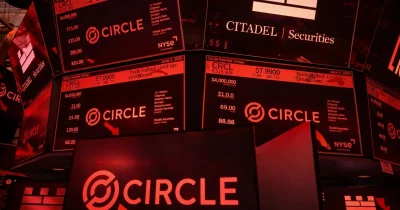
Marex Global, a clearing firm, now lets customers post USDC as initial margin for U.S. derivatives clearing. The move stitches digital assets directly into the plumbing of traditional finance — a step that stretches the 24/7 nature of crypto into a market that usually runs on bank hours.
Why USDC for margin
Using a stablecoin as margin means traders don't have to convert digital dollars into fiat before meeting collateral calls. That cuts out a step — and the time zone headache. Marex is betting that the operational efficiency of a token that never sleeps will appeal to firms already juggling crypto and traditional derivatives.
Bridging two worlds
Clearing houses have long demanded cash or Treasuries. USDC, issued by Circle, is one of the few stablecoins with enough regulatory coverage to pass muster. The integration lets Marex treat the token like any other cash equivalent, at least for the purpose of covering initial margin requirements in the U.S. derivatives market.
The company didn't say which exchanges or clearinghouses are involved, nor did it disclose the size of the margin pool it expects to handle. But the structure is clear: crypto collateral flows into a regulated clearing framework, and the final settlement still happens in dollars.
What this changes
For now, the change is confined to Marex's own books. Other clearing firms may follow — or they may wait for clearer rules from the CFTC. The move doesn't alter margin methodology or haircuts, just the payment method. End users still need to meet the same collateral requirements, but they can do it with a digital dollar instead of a wire transfer.
That speed matters when margin calls hit at 2 a.m. on a Saturday. Crypto markets trade 24/7, and a stablecoin can move in seconds. Traditional bank wires take hours and only work on business days.
Marex hasn't set a deadline for expanding the service to other stablecoins or jurisdictions. The question for the rest of the industry is whether one firm's acceptance of USDC as margin becomes a niche offering or the start of a broader shift toward tokenized collateral in regulated derivatives markets.