Michael Saylor, chairman of Strategy (formerly MicroStrategy), has laid out a sweeping 110-point argument against Bitcoin Improvement Proposal 110, a proposed soft fork. In a detailed statement released this week, Saylor warned that BIP-110 would inflict more damage on the Bitcoin network than the issue it aims to fix. The critique lands as the Bitcoin community debates whether to adopt the upgrade.
The 110-point case
Saylor's argument runs point by point, covering technical, economic, and governance concerns. He contends that BIP-110 introduces unnecessary complexity and risk without delivering proportional benefits. The chairman, whose firm holds billions in Bitcoin, said the proposal would harm the network's security and decentralization. He did not mince words: the soft fork, he argued, is a net negative for Bitcoin.
The document does not pull punches. Saylor calls out specific design choices he believes are flawed and warns that rushing the fork could fracture the community. He also questions the motives behind the proposal, suggesting it may serve interests that don't align with Bitcoin's long-term health.
What BIP-110 would do
BIP-110 is a proposed soft fork that aims to address a particular vulnerability or inefficiency in Bitcoin's codebase. While the exact technical details are still being debated, the proposal has drawn both support and sharp criticism. Saylor's intervention adds a heavyweight voice to the opposition camp.
Soft forks require broad consensus to activate. If a significant portion of miners and node operators reject the change, the fork stalls. Saylor's 110-point broadside could shift sentiment among institutional holders and developers who look to Strategy as a bellwether.
Timing and stakes
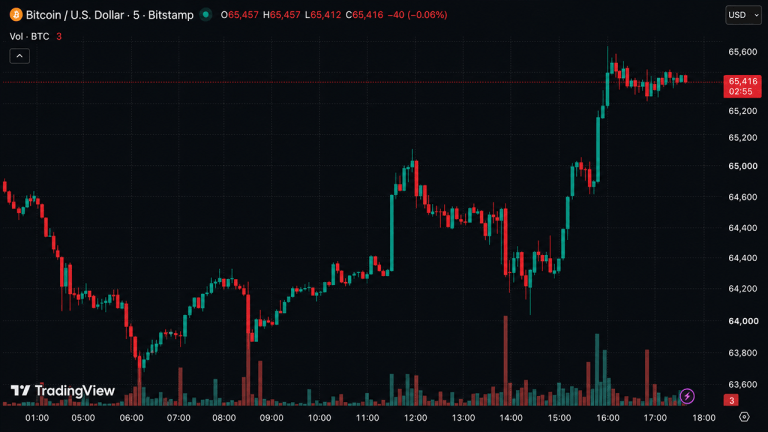
The timing isn't great for proponents of BIP-110. Bitcoin's price has been volatile this month, and the community is already split over other scaling debates. Saylor's critique lands at a moment when many are wary of contentious upgrades. Past forks, like the SegWit2x debacle, have shown how quickly disagreements can turn into chain splits.
Saylor didn't call for a specific alternative, but his message is clear: don't break what works. For a chairman who has bet his company's treasury on Bitcoin, that's a position worth listening to.
What happens next
The Bitcoin Improvement Proposal process is still open. Developers can revise BIP-110 based on feedback, or the proposal could be withdrawn. Saylor's 110 points give them a lot to chew on. The next formal review meeting is expected within weeks. Whether the fork moves forward or stalls, the debate is far from over.