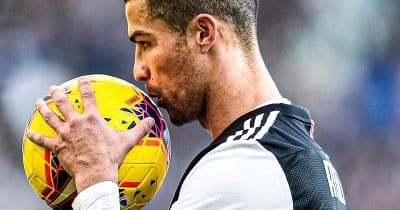
Luka Modrić has made history as the first Croatian to feature in five FIFA World Cups — a milestone that also shines a light on the messy, high-stakes intersection of sports and cryptocurrency. His achievement comes as crypto platforms increasingly court football fans, offering tokenized fan engagement and speculative investment vehicles that can swing wildly on a single match result.
A record that resonates beyond the pitch
Modrić, now 40, first appeared at a World Cup in 2006. Nineteen years and four tournaments later, he's still on the roster for the 2026 tournament in North America. The run is unprecedented for a Croatian player, but it's also a reminder of how long the window is for crypto projects that latch onto athletes and teams. The same longevity that makes Modrić's career remarkable is rare in crypto, where projects often flame out in months.
The crypto-sports connection
Over the past few years, football clubs, leagues, and even individual players have launched fan tokens, NFTs, and prediction markets. The pitch is simple: give superfans a digital stake in the team. But the reality is that many of these tokens trade more like meme coins than loyalty programs. Prices can double on a win and crash on a loss — or on a tweet from a regulator. The Modrić news cycle has already triggered chatter on crypto Twitter about which World Cup-related tokens might pop next.
Risks and rewards
That speculative energy is exactly what worries regulators. In Europe and the U.S., authorities have flagged sports-linked crypto products as particularly dangerous for retail investors, who may not understand that a fan token isn't equity in the club. At the same time, the fan engagement potential is real: token holders can vote on minor club decisions, access exclusive content, or earn rewards for attending matches. The trick is separating the genuine use cases from the hype machines.
Modrić's fifth World Cup appearance doesn't change any of that calculus. But it does put a human face on the years-long trend. The question now is whether the crypto projects that ride this year's World Cup wave will still be around when Modrić's inevitable retirement comes — or whether they'll be remembered as another halftime novelty.