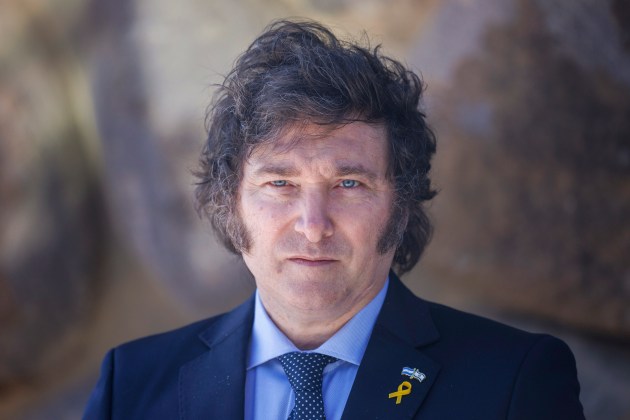
Morpho has raised $175 million in what it calls the largest funding round in DeFi history. The round was co-led by Paradigm, a16z crypto, and Ribbit Capital. Founder Merlin Egalite said the capital will support the company's decentralized lending infrastructure — a trustless alternative to more traditional crypto credit markets.
A raise that stands out
The $175 million figure is unusually large by DeFi standards, especially at a time when venture capital has been more selective about where it places bets in crypto infrastructure. DeFi lending is already a crowded field with established protocols like Aave and Compound. Morpho's pitch is that it's building a lending primitive, not just a consumer app — something that can be plugged into wallets, fintech platforms, and institutional products.
What Morpho is building
Morpho positions itself as a trustless lending layer, meaning it doesn't rely on intermediaries or off-chain credit decisions. That design lets it integrate directly into other software, from retail wallets to enterprise treasury tools. The fresh capital is meant to accelerate that infrastructure buildout, though the company hasn't detailed specific product milestones yet.
Renewed VC confidence
The involvement of top-tier venture firms signals renewed confidence in transparent, on-chain lending rails. That's notable after a string of credit failures in centralized crypto finance over the past couple of years. Morpho's backers are betting that the market is ready for a fully decentralized alternative — one that avoids the counterparty risk that brought down several CeFi lenders.
The execution challenge
Large funding rounds don't automatically translate into better token performance or wider protocol adoption. Execution and risk management will decide whether Morpho lives up to the hype. Venture funding also introduces pressure: the company has to prove that the capital leads to deeper liquidity and sustainable demand, not just a bigger treasury. For now, the team has a thick war chest and a clear pitch. The hard part — making that capital stick — starts now.