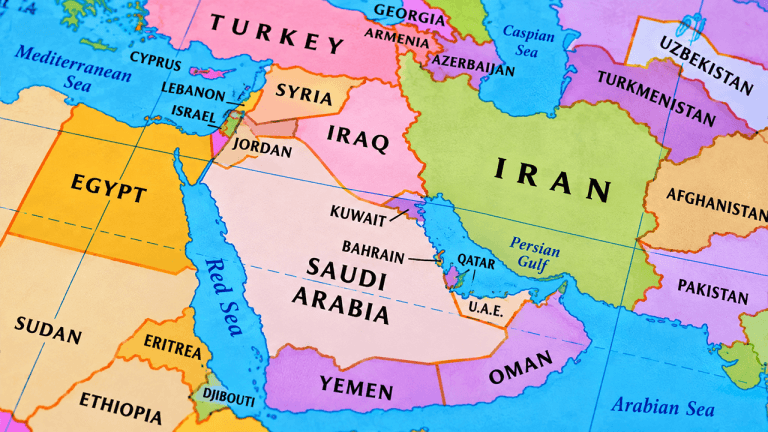
Israeli Prime Minister Benjamin Netanyahu took an unannounced flight to Washington this week, a trip that came as Iran tensions escalated. The secret journey, confirmed by officials on July 28, immediately reignited debate over cryptocurrency's role as a safe-haven asset during geopolitical crises.
A flight under the radar
Netanyahu's departure from Tel Aviv wasn't publicly scheduled. The prime minister's office declined to comment on the itinerary until the plane was already in the air. Sources familiar with the trip said the urgency stemmed from rising concerns over Iran's nuclear program and its proxy activities in the region. The White House confirmed a meeting with President Biden, but details remain sparse.
Crypto as a 24/7 hedge
The secrecy of the flight — and the broader geopolitical backdrop — gave fresh ammunition to the argument that cryptocurrency offers a hedge that never sleeps. Traditional markets were closed when news of the trip broke, but crypto markets kept trading. Proponents pointed to bitcoin's ability to move value across borders without relying on any single government's permission. Critics countered that crypto's volatility makes it a poor store of value in a crisis, but the debate itself was enough to shift market attention.
Market dynamics shift
The event influenced market dynamics and investor behavior, according to multiple trading desks. While no single price move defined the day, the narrative around crypto as a geopolitical hedge gained traction among retail and institutional investors alike. Some traders rotated into bitcoin and ether, viewing them as less correlated to traditional risk assets during a potential conflict. The flight also highlighted the growing intersection of high-stakes diplomacy and digital assets — a trend that shows no sign of slowing.
With Iran tensions showing no signs of easing, the crypto market's response to Netanyahu's trip may be a preview of how digital assets perform in future geopolitical flashpoints. The next concrete test could come if the U.S. or Israel takes further action, or if Iran retaliates — events that would likely trigger another round of 24/7 trading in the safe-haven narrative.