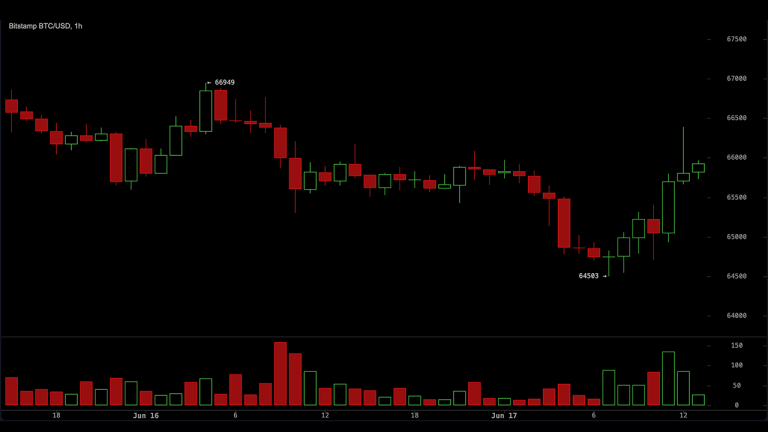
Congressman Nick Begich (R-AK) introduced the American Reserve Modernization Act (ARMA) on Wednesday, a bill that would create a formal mechanism for the federal government to retain Bitcoin seized through law enforcement rather than auction it off. The move signals a growing push inside Congress to treat the largest cryptocurrency as a strategic reserve asset — a debate that could reshape how the U.S. manages its digital-asset holdings.
Bitcoin as a reserve asset
Begich argues Bitcoin fits the mold of a reserve asset because of its scarcity and decentralized nature. He points out that Bitcoin makes up close to 60% of total cryptocurrency market capitalization, a dominance he says mirrors gold's role in traditional markets. “The world reserve currency may not be the U.S. dollar forever,” Begich said in a statement. “It could be a digital asset.” The bill would codify a policy shift: instead of the standard practice of liquidating seized crypto at auction, the government would hold the Bitcoin on its balance sheet.
A personal stake in crypto
Begich isn't new to Bitcoin. He first bought in early 2013 as a hedge against dollar depreciation for his business. That bet came with a harsh lesson — he lost roughly 440 Bitcoin in the Mt. Gox exchange collapse. But he emerged from the bankruptcy process with a positive outcome, a detail that likely informs his skepticism of centralized intermediaries and his support for holding the asset directly. Before Congress, Begich built a software development firm from a credit card and laptop into a company with about 150 employees across three countries. That startup founder background gives him a practical lens on technology policy that many lawmakers lack.
AI and national security
During the same press event, Begich drew sharp lines on artificial intelligence. He described two competing futures: one of abundance — cheaper healthcare, higher productivity — and one of displacement, where people lose a sense of purpose. He cautioned against fully open-sourcing advanced AI models, comparing the risks to nuclear research and certain biotech. And he criticized China’s open-source AI strategy as an economic tool, not a benign sharing of knowledge. The comments tie Begich’s crypto and tech agenda together: both hinge on sovereignty, security, and the risks of handing too much control to untrusted platforms or nations.
The ARMA bill now heads to committee. It’s unclear whether it will draw bipartisan support, but the debate over what the U.S. does with its seized Bitcoin is only getting louder.