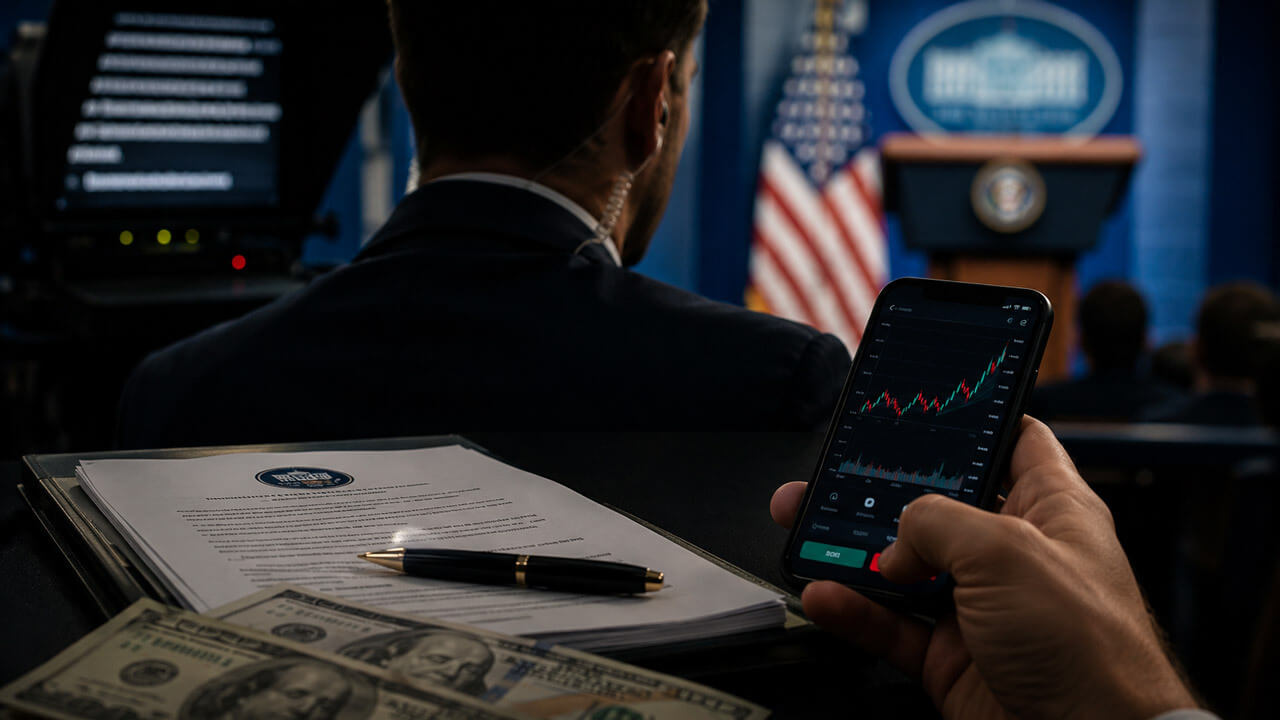
Nigerian President Bola Tinubu signed an executive order on virtual assets on July 17, moving to bring the country's fragmented crypto sector under a single regulatory framework. The order, announced by the government, includes a crackdown on unregistered operators and is designed to protect citizens from fraud. It marks the most direct federal action on digital assets since Tinubu took office.
The executive order
The order itself is a directive to federal agencies to coordinate oversight of virtual assets. Nigeria has long had a patchwork of rules—the Securities and Exchange Commission claims authority over some tokens, the central bank has banned banks from dealing with crypto, and state-level regulators have their own stances. The executive order aims to replace that confusion with a unified approach, though the specific agency that will lead enforcement hasn't been named yet.
Why the crackdown on unregistered operators
Unregistered crypto exchanges and peer-to-peer platforms have proliferated in Nigeria, one of the world's top markets for crypto adoption. The government says many of these operators lack basic consumer protections, leaving users vulnerable to scams and exit fraud. The order explicitly directs regulators to go after anyone offering virtual asset services without a license. That's a direct threat to the grey-market platforms that have thrived in the regulatory vacuum.
Protecting citizens from fraud
Fraud has been a persistent problem. The Nigerian police and the Economic and Financial Crimes Commission have logged thousands of crypto-related complaints in the past two years, from phishing schemes to fake investment pools. The executive order ties the new regulatory push directly to consumer protection, signaling that the government sees a safer environment as a prerequisite for the sector's growth. Whether the new rules will actually cut down on fraud depends on enforcement, which has historically been uneven.
What comes next
Regulators have been given a deadline to submit implementation plans to the presidency. The order doesn't specify a date, but the government's statement suggests a timeline of a few months. Exchanges and wallet providers operating in Nigeria will need to register with the newly designated authority or face penalties. The central bank's ban on bank-crypto transactions remains in place for now, but the order hints at a possible review. For now, the industry is watching to see which agency gets the lead role—and how aggressively it will enforce the new rules.