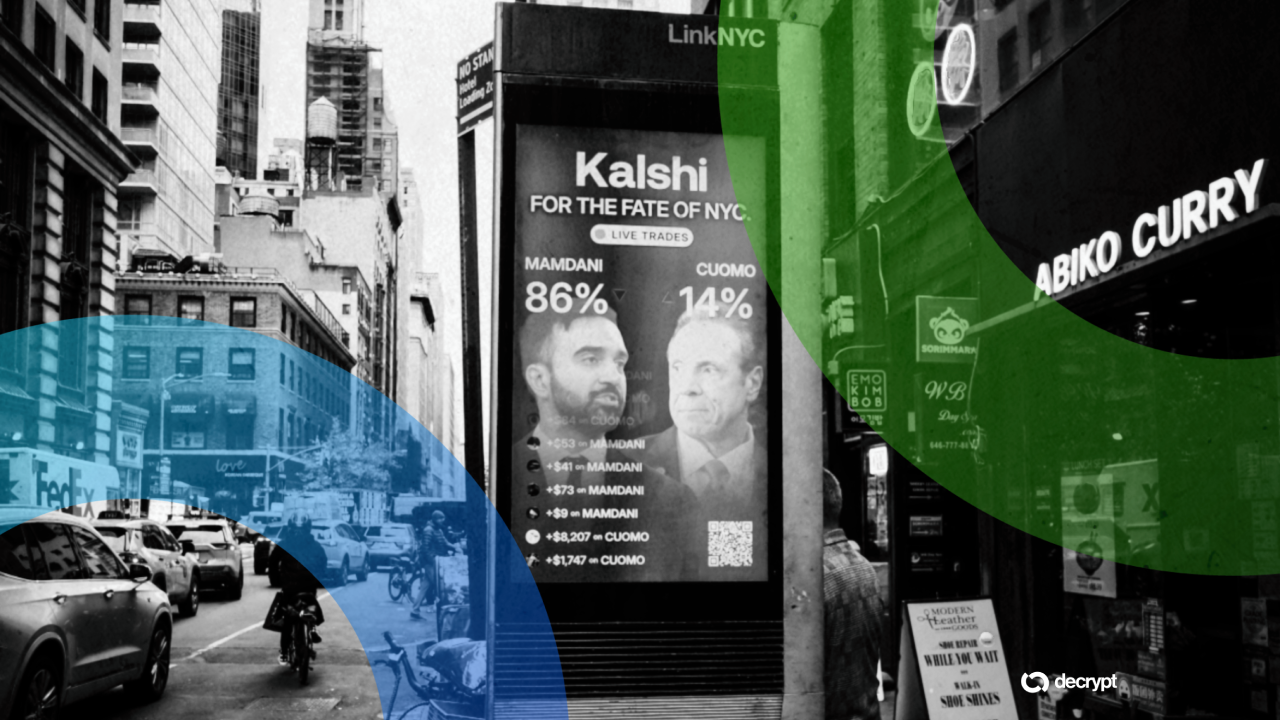
New restrictions curb insider trading in political prediction markets
Effective this week, New York and Illinois have rolled out sweeping prohibitions that bar state employees from placing bets on political outcomes using insider information. The prediction market insider trading ban targets a growing niche where government insiders could profit from non‑public insights about upcoming legislation, elections, or policy shifts. Both states cited rising concerns that such activity undermines public trust and creates an uneven playing field for ordinary participants.
Why the ban matters now
Prediction markets have exploded in popularity, with platforms reporting a 42% surge in user registrations over the past twelve months. As these venues become more mainstream, the temptation for well‑placed officials to leverage confidential data grows. Could unchecked betting erode confidence in democratic processes? Policymakers think so, which is why the two states moved quickly to close the loophole.
Key provisions of the prediction market insider trading ban
- Scope of employees: All civil servants, elected officials, and contractors with access to privileged information are covered.
- Prohibited activities: Direct participation, indirect investment through proxies, and the use of personal accounts to place bets on any political event.
- Enforcement mechanisms: Mandatory quarterly disclosures, random audits, and penalties ranging from fines up to $10,000 to termination of employment.
- Reporting channels: Whistleblower hotlines and secure online portals for anonymous tips.
These measures aim to deter even the slightest hint of conflict of interest. According to a recent study by the Center for Government Integrity, 27% of surveyed employees admitted they had considered using insider knowledge for personal gain in prediction markets.
How the prediction market insider trading ban impacts employees
For many state workers, the new rule represents a clear line in the sand. "We want to preserve the integrity of both our institutions and emerging financial tools," said Dr. Elena Ramirez, professor of ethics at Columbia University. "By explicitly banning insider participation, the states send a strong message that public service must remain above profit‑driven speculation."
Critics argue the ban could be overly broad, potentially stifling legitimate research or academic modeling that relies on market data. However, the legislation includes exemptions for scholars who obtain prior approval and agree to full transparency.
Comparative look: other jurisdictions and future trends
New York and Illinois are not alone. In 2023, the UK’s Financial Conduct Authority issued guidance warning against insider trading in betting markets, and several Asian economies have introduced similar advisory notes. Yet, only a handful have codified explicit bans. As the market’s total value is projected to surpass $15 billion by 2028, more states may follow suit to safeguard democratic credibility.
What this means for the broader market
Investors should anticipate tighter compliance checks and possibly reduced liquidity in the short term. Platforms are expected to enhance their KYC (Know Your Customer) procedures, employing AI‑driven monitoring to flag suspicious activity. Could this lead to a more trustworthy market environment? Many believe that greater regulation will ultimately attract mainstream participants who value fairness.
Conclusion: A decisive step toward ethical prediction markets
The enactment of the prediction market insider trading ban in New York and Illinois marks a pivotal moment for the intersection of public service and speculative finance. By drawing a firm line against the misuse of privileged information, the states aim to restore confidence and set a precedent for other jurisdictions. Stay informed about evolving regulations and consider how these changes might affect your own engagement with political prediction platforms.