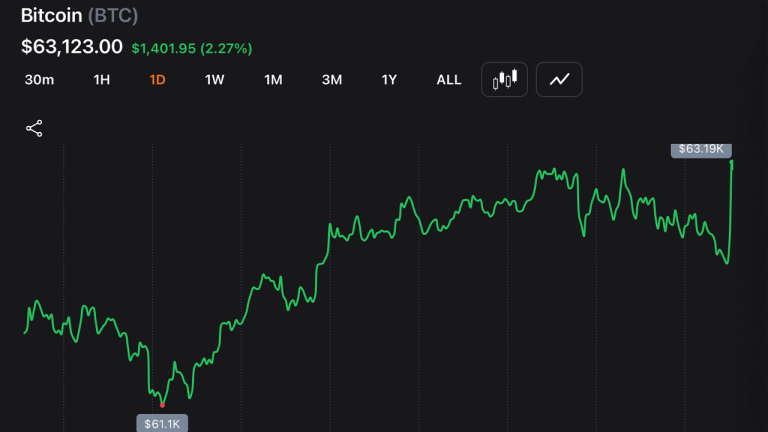
Oil prices jumped more than $1 on Thursday as escalating US-Iran military strikes sent shockwaves through global markets — and cryptocurrency was no exception. The spike in crude, tied to fresh attacks near the Strait of Hormuz, triggered a broad risk-off move that hit bitcoin and ether prices hard. For a market already on edge over regulatory moves and exchange outages, the timing couldn't be worse.
What the strikes mean for crypto
The US-Iran exchange isn't just about oil. Cryptocurrency markets have been rattled by the same geopolitical jitters that pushed crude higher. Traders fled risky assets in a flight to safety, and digital coins took the brunt. The selloff wiped out gains from earlier in the week, leaving bitcoin around $58,000 — though the exact number shifts by the minute.
The energy-crypto connection
The conflict highlights a vulnerability most investors rarely think about: the energy supply chain. Bitcoin mining alone consumes massive amounts of electricity, much of it from fossil fuels. If oil keeps climbing, energy costs for miners go up, and margins shrink. That dynamic could pressure smaller mining operations, potentially reducing network hashrate if they're forced to shut off rigs.
Sanctions and transparency — two sides of the same coin
The standoff also puts cryptocurrency's dual role in sharp relief. On one hand, blockchain offers a transparent record of cross-border payments, a tool sanctions enforcers love. On the other, it can help countries and entities dodge those very sanctions. As the US tightens financial restrictions on Iran, regulators are asking hard questions about how crypto flows across borders — and whether exchanges are doing enough to stop illicit traffic.
For now, the oil spike has cooled a bit, but no one expects the geopolitical pressure to ease fast. The next move could hinge on whether Washington escalates further or backs off. Either way, crypto traders are watching the Middle East as closely as they watch order books.