OKX filed with the US Securities and Exchange Commission on Sunday to trade tokenized US stocks through OKXICE LLC, a joint venture with Intercontinental Exchange, the parent company of the New York Stock Exchange. The venture plans to start with 63 companies listed on the NYSE. ICE's investment in OKX valued the exchange at $25 billion.
The filing lands 17 days after the SEC opened a five-year exemption for on-chain trading of equities — an agency order, not legislation, that runs until September 2031.
What the exemption actually allows
The SEC's carve-out caps each venue at 75 top-tier stocks, typically S&P 500 and Russell 1000 members. Trading in any single token can't exceed 0.25% of the underlying stock's prior-month volume. A repeat breach forces a three-month pause on that token.
Issuers that didn't authorize tokenization get a veto. They can block a listing by objecting within 30 days.
That last provision is the quiet constraint. NYSE-listed companies that want nothing to do with on-chain shares can simply say no, and the venue has to pull the listing. OKX hasn't said which of the 63 names it has cleared with issuers, or whether any have objected.
Tokenized stocks are already a real slice of DEX volume
This isn't a speculative product line anymore. In September, tokenized stocks accounted for an 11% average share of decentralized exchange trading. Coinbase launched tokenized US stocks for eligible non-US customers in August. NYSE separately struck an early-stage agreement with Blockchain.com covering its own digital venue; that firm claims 44 million accounts.
So OKX is arriving to a market that already has a live competitor, a distribution partner, and a measurable share of DEX activity. The 63-stock start is deliberately narrow — well inside the 75-name ceiling — and looks like a compliance-first rollout rather than a land grab.
The fragility problem nobody's hiding
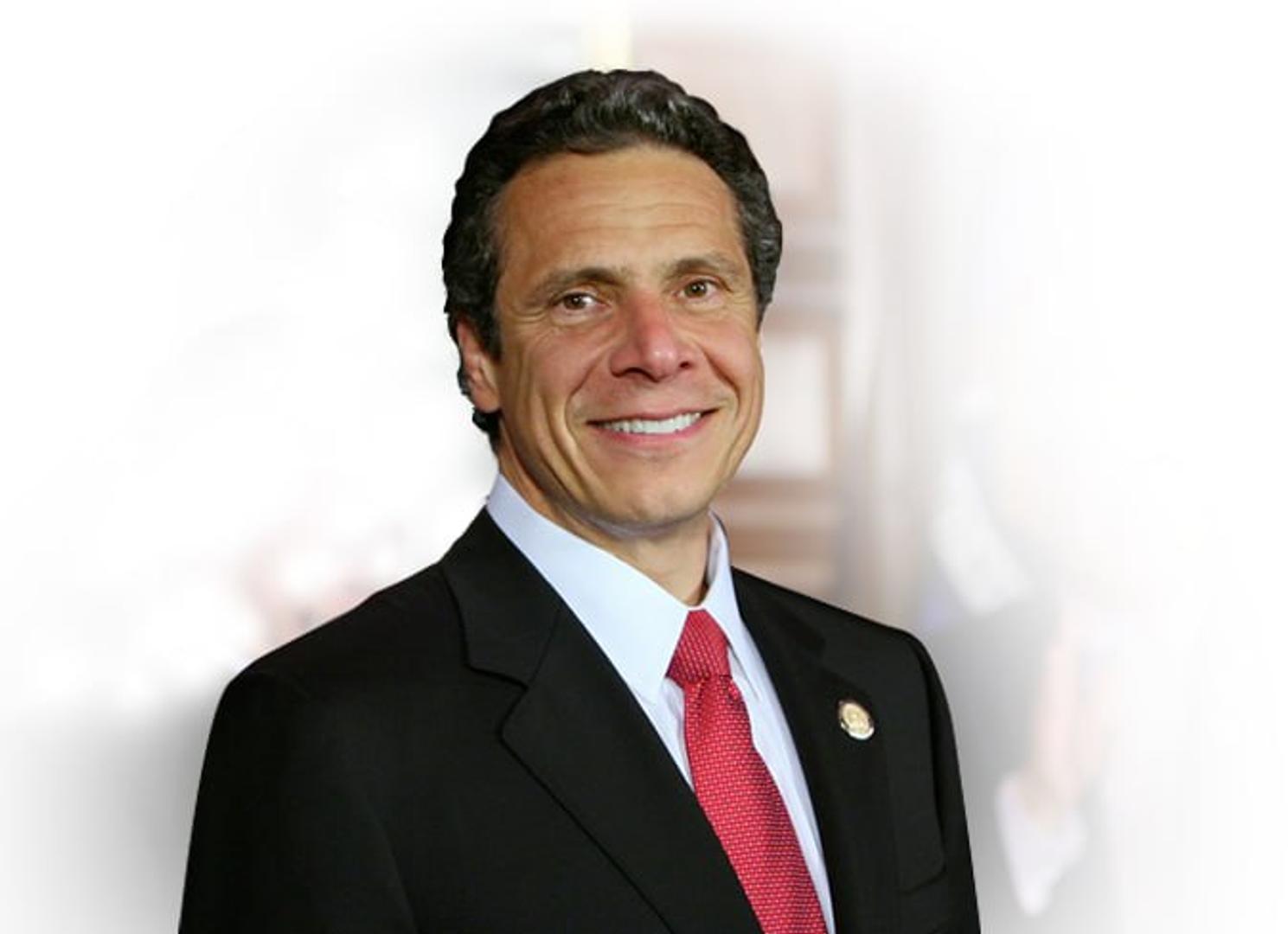
OKXICE co-chair Andrew Cuomo, the former New York governor, has warned that agency rules are fragile. He expects a new Congress to scrutinize exemptions like this one, and he's not wrong to flag it. The SEC's order isn't a statute. It can be narrowed, reinterpreted, or dropped by a future commission.
That risk isn't theoretical. The Senate failed to advance the Clarity Act last month — a bill that would have set federal crypto market rules in law rather than in agency guidance. Without it, the entire tokenized-equity business sits on an order that expires in September 2031 and can be revisited well before then. The SEC has already asked whether to make the exemptions permanent, which tells you the agency itself knows the current arrangement is provisional.
Cuomo's point cuts both ways for OKX. The ICE joint venture and the $25 billion valuation give the filing institutional weight. But the legal footing is still a five-year permission slip, not a property right.
What comes next
The SEC has to review OKX's application, and the issuer-objection window matters for every one of those 63 stocks. The immediate question isn't whether OKXICE gets approved — it's how many NYSE-listed companies decline to authorize tokenization at all. No timeline for a decision has been disclosed.