OKX has rolled out a product called Unified Tokenized Stocks, now live for eligible traders. The crypto exchange is listing more than 40 tokenized versions of US stocks and ETFs, including XNVDA, XAAPL, and XTSLA. But users in the United States and the European Union are locked out of trading them.
What’s in the lineup
The tokenized shares trade against the USDT stablecoin. That means traders can buy and sell fractions of well-known companies without leaving the crypto ecosystem. The list covers major tech names and ETFs, but OKX has not disclosed which specific ETFs are included.
Why the geographic restrictions
OKX is blocking access from the US and EU. The company hasn’t given a public reason, but it likely reflects the regulatory hurdles of offering tokenized securities in those jurisdictions. Both regions have strict rules around securities trading and digital assets.
How the tokens work
Each token represents a claim on an underlying stock. They are issued by OKX and are tradable 24/7, unlike traditional stock exchanges that have set hours. The tokens are settled against USDT, so traders don’t need to hold dollars or other fiat currencies.
OKX says the product is for “eligible traders,” but it hasn’t defined what eligibility means beyond the geographic exclusions. The exchange may require know-your-customer checks or minimum balances.
Competitive landscape
OKX isn’t the first to offer tokenized stocks. Rivals like Binance and FTX (before its collapse) have tried similar products. The difference is that OKX is launching after a wave of regulatory crackdowns on crypto derivatives and securities in the US.
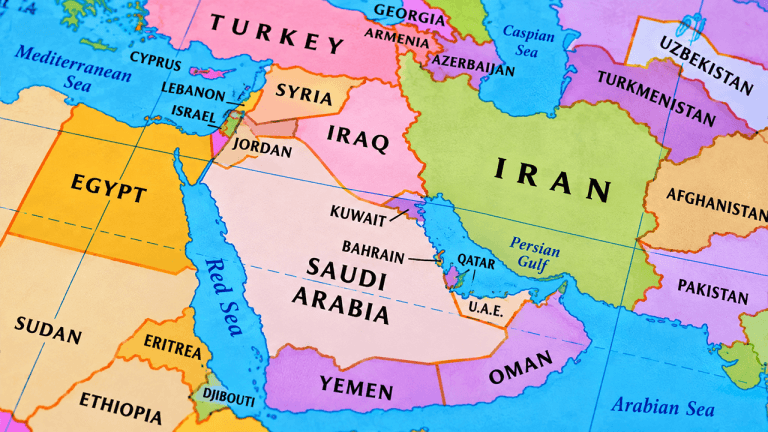
The move could attract traders in Asia, the Middle East, and other regions where crypto regulation is more permissive. But it also raises questions about how regulators in those countries will treat the tokens.
OKX has not set a date for when, or if, it will expand the product to US or EU users. For now, it’s a limited rollout aimed at a global audience that excludes the world’s two largest financial markets.