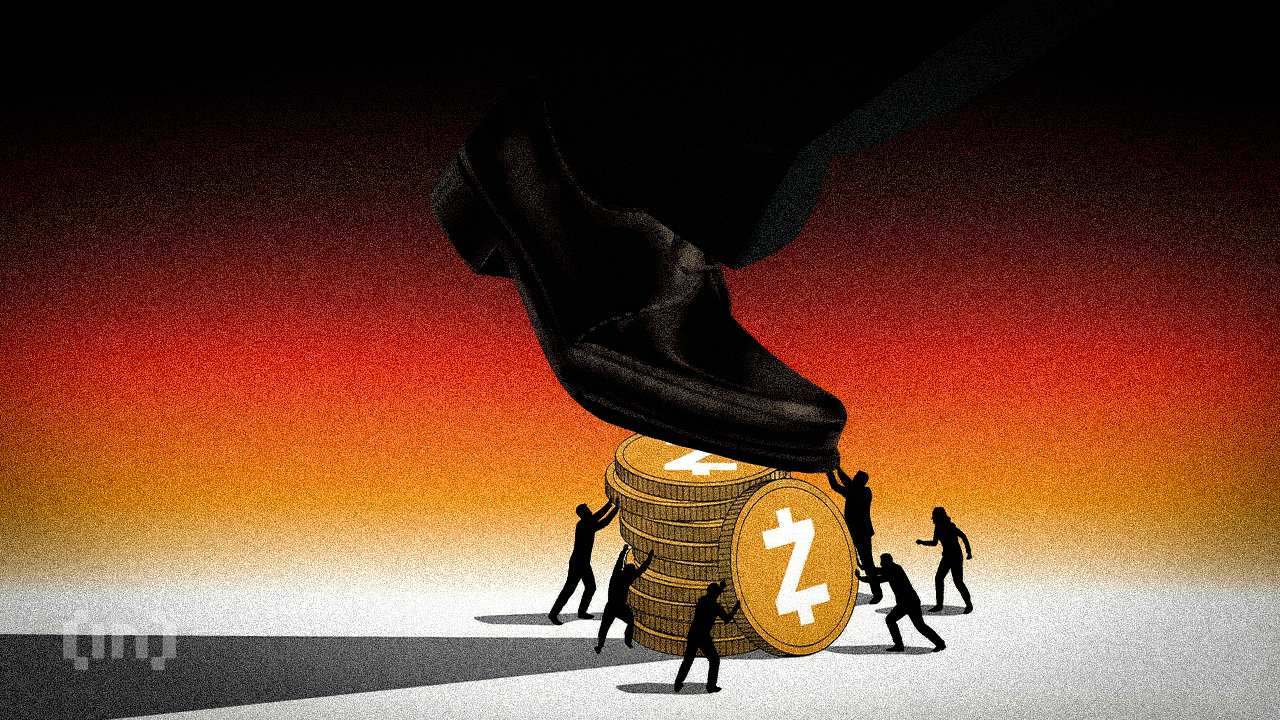
Paxos-issued USDG has reached a $3.2 billion market cap, capping a year in which the stablecoin grew 340%. The token, which Paxos launched in late 2024 with backing from a group of crypto firms, has expanded faster than most of its peers. But the same structure that fueled its rise — a small set of partners handling minting, custody, and distribution — is now drawing attention as a potential vulnerability.
What's behind the 340% jump
USDG's growth didn't come from retail speculation. The token is designed for institutional use, and its supply has been driven by companies that need dollar-denominated settlement on-chain. Paxos issues the token under a model where partners can mint and burn USDG directly, subject to reserve requirements. That makes it attractive to exchanges, market makers, and payment processors looking to move size without touching the banking system during off-hours.
The 340% yearly increase puts USDG among the fastest-growing stablecoins by percentage, though it remains far smaller than Tether's USDT or Circle's USDC in absolute terms. A $3.2 billion cap is meaningful, but it's still a fraction of the roughly $150 billion USDT supply and the tens of billions in USDC. What USDG has done is prove that a consortium-backed model can gain traction quickly when the founding partners actually use the product.
The partner concentration problem
Here's the catch. USDG's minting and redemption flow through a limited number of entities. If one of those partners runs into trouble — a regulatory action, a liquidity crunch, a technical failure — the token's peg and liquidity could feel it. That's not a theoretical concern in stablecoins. History is full of tokens that looked fine until a single custodian or market maker wobbled.
Paxos itself is a regulated trust company, which provides a layer of oversight. But the partner network is separate from Paxos's own balance sheet. The token's reserves are held in custody, and redemption depends on the operational health of the firms that connect end users to Paxos. Fewer partners means less redundancy. It also means less transparency about who exactly is holding the bag if something breaks.
The company hasn't disclosed the full list of minting partners or the concentration of supply among them. That opacity is common in stablecoin arrangements, but it makes it harder for outsiders to judge how much of USDG's $3.2 billion is controlled by one or two players.
Why institutions are watching
USDG's rise fits a broader pattern: stablecoins are moving from crypto trading desks into corporate treasuries and payment rails. A token that can be minted by a licensed trust company and redeemed through a known partner network is easier for a CFO to justify than an offshore issuer with murky reserves. That's the pitch Paxos has been making, and the market cap suggests some buyers are listening.
But institutional adoption cuts both ways. The same firms that can mint billions in USDG can also redeem billions quickly if they lose confidence. A 340% yearly gain can reverse fast when the holder base is concentrated. Circle's USDC learned that in 2023 when a bank failure briefly knocked it off its peg. USDG hasn't faced that test yet.
What Paxos hasn't said
Paxos hasn't published a breakdown of USDG holders or minting partners. There's no public dashboard showing how much of the supply sits with the top five addresses, though blockchain data can reveal some of that for anyone willing to dig. The company also hasn't said whether it plans to broaden the partner set or add more independent custodians.
Those details matter because USDG's next phase depends on whether it can grow without becoming a single point of failure. The token's $3.2 billion cap is a milestone. It's also a concentration risk until proven otherwise.
What to watch
Paxos's next reserve attestation will show whether the $3.2 billion is backed by cash and equivalents or by a broader mix of assets. The company reports those figures periodically, and the composition matters more than the headline number. If the partner list stays short and undisclosed, USDG's growth will keep outrunning its safety net. If Paxos adds redundancy, the 340% year becomes a foundation rather than a warning sign.