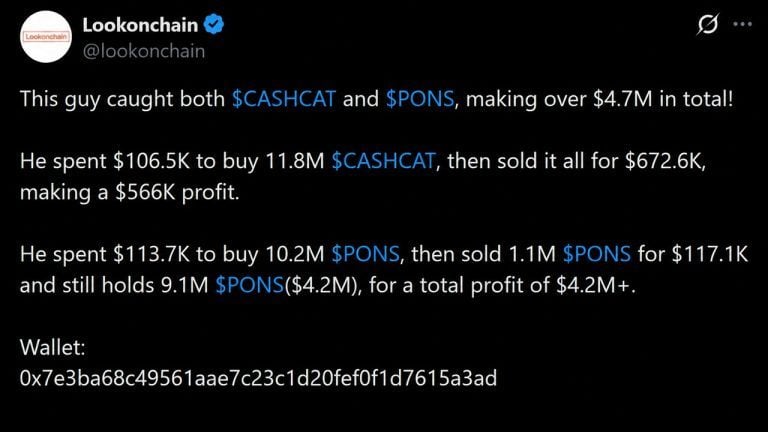
Price manipulation attacks on cryptocurrency markets are becoming more frequent and more damaging, with incidents this year already exceeding the total for all of 2025. The attacks, which involve artificially inflating the price of a token, are hitting the crypto-backed lending sector hardest, leaving traders and lenders on the hook for losses.
How the attacks work
The mechanics are simple in theory. An attacker buys up a thinly traded token, driving its price up sharply. That inflated price then becomes the basis for borrowing or collateral. When the price collapses back to reality, the damage is done. The attacker walks away with borrowed funds or profits from the pump, while lenders are left with undercollateralized positions.
It's a low-tech exploit that relies on the same volatility that draws traders to crypto in the first place. The pump doesn't have to last long—just long enough to execute the trade.
Why lending is in the crosshairs
Crypto-backed lending relies on collateral that is marked to market in real time. That makes it uniquely exposed to price manipulation. A sudden spike in a token's price can inflate the value of collateral, allowing an attacker to borrow more than they should. When the price falls, the loan becomes undercollateralized, and the lender takes the hit. Traders who hold positions against that collateral also get caught in the fallout.
The lending market is a natural target because it's built on trust in price feeds. Attackers have figured out that a few well-placed trades can break that trust.
A record year for attacks
The numbers for 2026 are stark. Attacks so far this year have already surpassed the total for all of 2025. That means the problem is accelerating, not leveling off. The trend suggests that attackers are finding the lending market to be a reliable target, and the barriers to entry are low.
It's not just the frequency that's up—the severity is too. The fact that 2026 has already blown past last year's full-year count in just eight months points to a systemic issue that isn't going away on its own.
Who gets hurt
The victims are not just the lending platforms. Traders who use these markets for legitimate purposes face losses when manipulated prices trigger liquidations. Lenders see their capital at risk when collateral values are distorted. The attacks also undermine confidence in the broader crypto lending ecosystem, which is already under pressure from other headwinds.
The question now is whether exchanges and lending protocols can tighten their price feeds and detection systems before the next wave of attacks. So far, the attackers are winning.