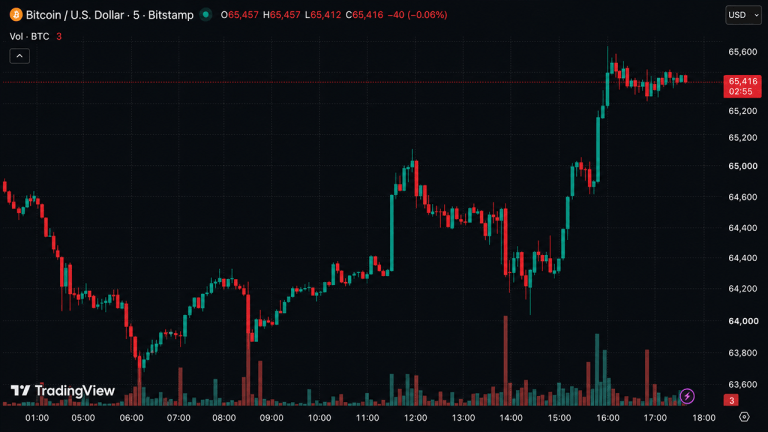
A projectile strike hit near the city of Urmia in Iran's West Azerbaijan Province on Monday, the latest in a string of Middle East escalations that have kept crypto markets on edge throughout 2026. No casualties have been reported so far, but the attack adds fresh uncertainty to a region already simmering with tensions. Bitcoin, which has swung wildly this year on geopolitical news, dipped in early Asian trading before recovering some ground.
What happened near Urmia
The strike occurred close to Urmia, a city in northwestern Iran not far from the borders with Turkey and Iraq. Details remain scarce — Iranian state media confirmed the incident but did not immediately assign blame. The location is significant: West Azerbaijan Province has seen sporadic cross-border fire in recent months, and this strike fits a broader pattern of tit-for-tat exchanges that have escalated since early 2026.
Why crypto traders are watching
For crypto markets, the Middle East has been a persistent source of volatility this year. Every missile launch, drone incursion, or naval skirmish tends to trigger a sharp move in Bitcoin — often a quick sell-off followed by a rebound. The pattern has become so routine that some traders now treat these events as short-term buying opportunities. But the cumulative effect is a market that can't shake its geopolitical jitters. Monday's strike is no exception: it's the kind of headline that keeps risk appetite fragile.
This isn't an isolated event. The region has seen a steady drumbeat of confrontations in 2026 — from proxy clashes in Syria to naval tensions in the Persian Gulf. Each one reinforces the sense that a wider conflict is possible, even if unlikely. For crypto, that means a constant undercurrent of uncertainty. Bitcoin's correlation with gold has strengthened this year as investors treat it as a geopolitical hedge, but the asset still sells off on the initial shock. The Urmia strike is just the latest reminder that the macro backdrop isn't getting calmer.
For now, the focus is on whether Iran will retaliate or de-escalate. Any official response could come within hours or days. Crypto traders are watching for statements from Tehran and from regional powers. The market is likely to remain skittish until the next piece of news breaks. One thing is clear: the Middle East isn't giving Bitcoin a break anytime soon.