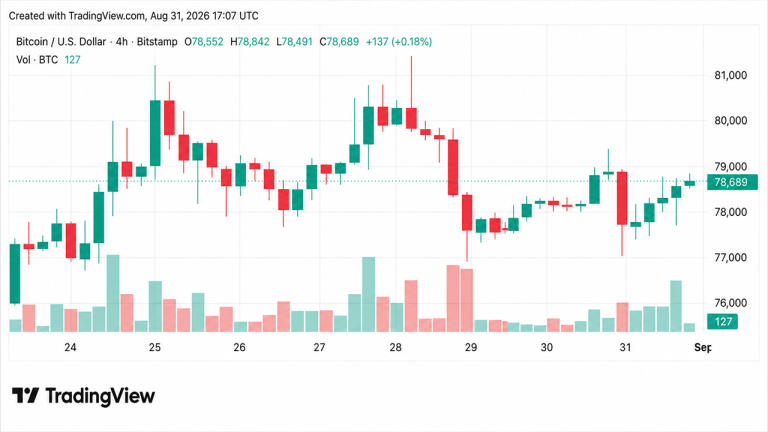
David Schwartz, Ripple's CTO emeritus, went public this week with a stark critique of the economic incentives behind Bitcoin and Ethereum, arguing that block production rewards actually undermine network security. In a Stanford lecture video he shared, Schwartz called proof-of-work mining 'possibly the worst imaginable security model' and said the XRP Ledger's design — which pays validators nothing — is the superior approach. XRP traded around $1.47 and Bitcoin near $81,220 as of press time, according to BeInCrypto data.
The core of Schwartz's argument
Schwartz contends that competitive mining forces honest participants to spend more than attackers, a structural disadvantage he says makes Bitcoin fragile. He claims that miners and stakers only participate because the protocol pays them, not because they share users' interests. On Ethereum, he pointed to validators gaming DeFi protocols for profit as evidence that paid validators will seek value extraction, not just honest validation.
Why XRP Ledger is different
Schwartz's thesis boils down to 'the best incentive is no incentive'. The XRP Ledger was intentionally built without block production rewards. Validators there only choose between equally valid transaction orders — there's no material value to extract. That lowers the incentive to attack, he argues. The result, according to Schwartz, is lower fees, faster confirmations, and resistance to the kind of value extraction seen on Ethereum DEXs.
The debate as Ethereum deepens staking
The argument lands at a moment when Ethereum is doubling down on proof-of-stake and Bitcoin faces a future where transaction fees must eventually replace block subsidies. Schwartz's critique takes direct aim at the foundational economics of both networks. If he's right, the security models that underpin tens of billions in market cap are built on a flawed premise. If he's wrong, the XRP Ledger's volunteer validator model may not scale or remain secure under real attack. The unresolved question: can a system with no paid validators stay secure once the financial stakes get large enough?