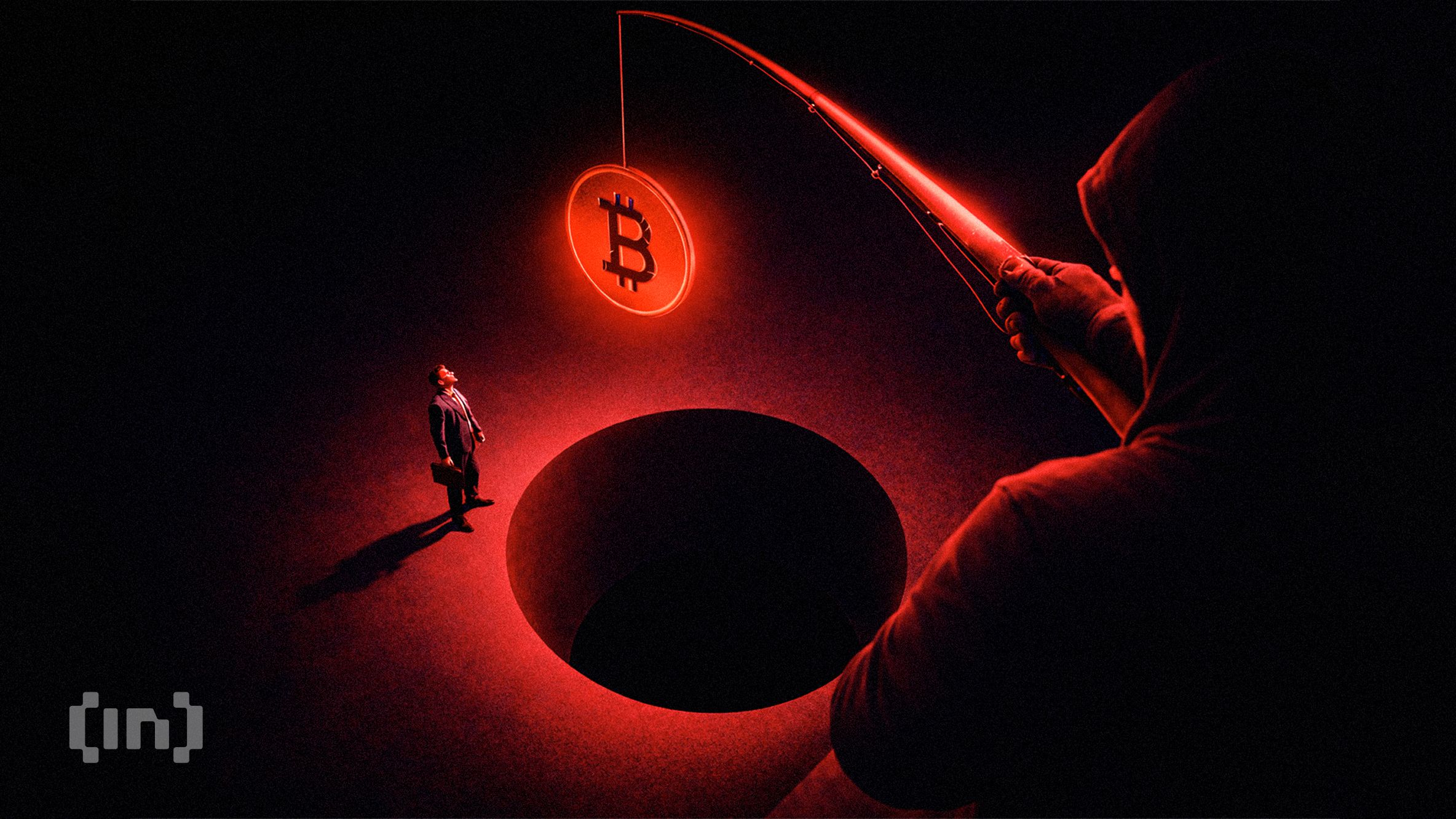
SafePal has reportedly exposed the personal data of nearly 40,000 customers, according to a report that surfaced this week. The breach, which has not been confirmed by the company, is the latest in a string of privacy lapses that have dogged the cryptocurrency industry. It also underscores a persistent problem: too many crypto firms treat customer data as an afterthought.
The reported exposure
The exact details of what was leaked remain unclear. SafePal, which makes hardware and software wallets, has not yet disclosed which customer records were affected. Reports indicate that the exposed data could include names, email addresses, and other identifying information, though nothing has been confirmed. The company has not responded to requests for comment, and its website shows no notice of a breach as of this writing.
A privacy problem that won't quit
This incident fits a pattern that has become all too familiar in crypto. Exchanges and wallet providers routinely hold large volumes of sensitive user data, making them attractive targets for hackers. But beyond external attacks, some breaches stem from sloppy internal practices—misconfigured servers, exposed databases, or careless handling of user information. The result is a sector where data leaks happen with disturbing regularity, and users are often the last to know.
What users should do now
For SafePal customers, the immediate concern is phishing. With email addresses and names in the open, scammers can craft targeted messages that appear to come from the company, asking users to verify their accounts or enter their recovery phrases. The best defense is simple: never click links in unsolicited emails, never share your seed phrase, and enable two-factor authentication wherever possible. It also pays to change passwords on any accounts that use the same credentials as your SafePal login.
No answers yet
SafePal has not issued a public statement about the reported exposure, leaving customers in the dark about the scope of the breach and what, if anything, they need to do. The lack of urgency is itself a problem. In an industry built on trust, silence only deepens the anxiety. Until the company speaks up, users are left to assume the worst.