Executive Summary
Two years after a high‑profile FBI raid that seized the Samourai Wallet team, the developer behind the open‑source privacy app remains behind bars at the Federal Prison Camp in Morgantown, West Virginia. In a recent interview, he portrays the detention as part of a broader governmental campaign against cryptocurrency, citing the Biden administration and Senator Elizabeth Warren as key drivers.
What Happened
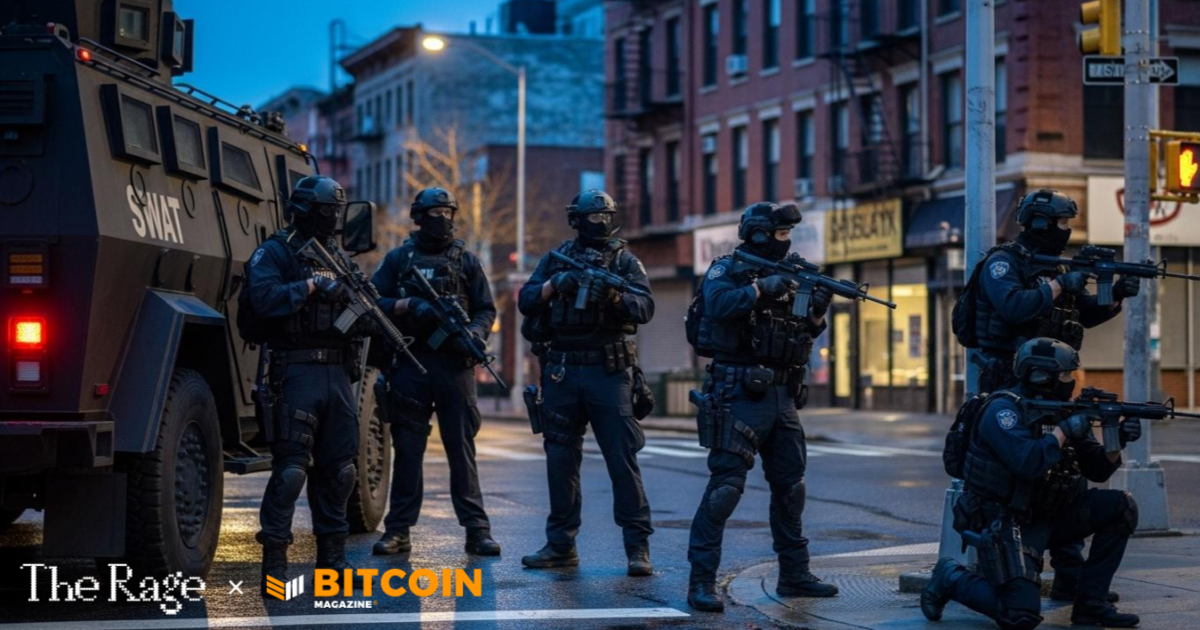
On April 24, 2024, federal agents stormed the premises of the Samourai Wallet project, deploying more than 50 officers, drones, armored vehicles, and a megaphone that demanded the surrender of a man identified as "Keonne Rodriguez." The developer and his associate William Hill were taken into custody without resistance. The operation was described by the author as the most extensive tactical effort he had ever witnessed against a cryptocurrency venture.
Background / Context
Samourai Wallet, according to its creator, was the sole effective non‑custodial, open‑source privacy solution for Bitcoin at the time of the raid. The developer argues that the seizure was not a routine law‑enforcement action but a manifestation of a "War on Crypto" pursued by the Biden administration, a stance he says was influenced by Senator Elizabeth Warren’s regulatory agenda.
Following the arrest, the developer and Hill were unable to secure sufficient funds for a robust legal defense. The author also notes that the subsequent Trump administration, during its campaign, pledged to free Ross Ulbricht and to end the alleged anti‑crypto crusade, while the Securities and Exchange Commission was reportedly reined in under that leadership.
Reactions
The incarcerated developer describes the prison environment as highly regimented, with strict schedules governing sleep, meals, showers, and clothing. He emphasizes a clear separation between inmates and correctional officers, noting that daily life is governed by routine rather than the unpredictability of the outside tech world.
While he refrains from issuing direct accusations against specific individuals, his statements repeatedly frame the raid as politically motivated. No official comment from the FBI, the Department of Justice, or the Biden administration has been released to confirm or refute these claims.
What It Means
If the developer’s portrayal of a coordinated "War on Crypto" holds merit, the case could signal a lingering tension between U.S. regulators and privacy‑focused cryptocurrency projects. The continued incarceration, despite the lack of publicly disclosed charges or trial outcomes, may deter other developers from pursuing open‑source privacy tools, potentially slowing innovation in the space.
Conversely, the absence of concrete legal findings leaves the broader community uncertain about the factual basis for the raid. Without transparent proceedings, the narrative risks becoming a rallying point for both critics of heavy‑handed enforcement and advocates for stronger regulatory clarity.
What Happens Next
The author’s inmate number, 11404‑511, confirms his presence at the Morgantown camp as of April 24, 2026. He has not indicated any upcoming court dates or potential release pathways. Observers will be watching for any legal filings, appeals, or possible executive clemency that could alter his status.