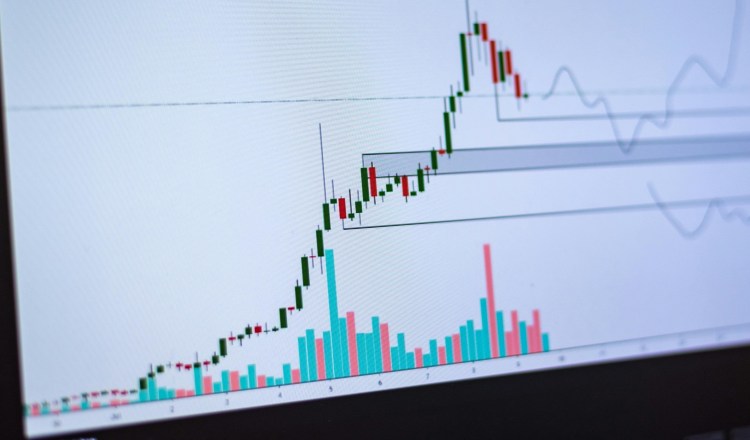
The S&P 500 hit a fresh all-time high on May 13, but Bitcoin couldn't hold its ground. The largest cryptocurrency lost the $80,000 support level, touching an intraday low of $78,759.70 — a stark divergence from the equity rally led by megacap tech stocks.
PPI reignites rate-hike bets
April's Producer Price Index jumped 1.4% month-over-month and 6% year-over-year, the biggest 12-month gain since December 2022. Gasoline prices surged 15.6% in April alone. The hot PPI reading pushed traders to price in a 34.3% chance of a Fed rate hike by December, up from roughly 15% a week earlier. That shift in expectations is weighing on risk assets, and crypto is no exception.
Bitcoin's weak ride on the Nasdaq wave
K33 Research puts Bitcoin's 30-day correlation with the Nasdaq above 0.7, confirming it still trades within the equity macro cycle. But the relationship hasn't been one-to-one. Nasdaq futures gained 27% between March 30 and May 8 — the strongest 30-day move in 16 years. Over that same stretch, Nvidia added 45%, the QQQ ETF rose 28%, while Bitcoin managed just 4% before giving it all back. K33 notes that Bitcoin's upside beta tends to fade when the Nasdaq rises more than 10% over 30 days.
ETF flows flip from flood to ebb
Spot Bitcoin ETFs saw monster inflows earlier this month: $629.8 million on May 1, $532.3 million on May 4, and $467.3 million on May 5. But the tide turned. Outflows hit $268.5 million on May 7, $145.7 million on May 8, and $233.2 million on May 12. Meanwhile, Bitcoin perpetual funding rates have been negative for 74 consecutive days — a clear sign of persistent bearish sentiment. Average daily spot volume is around $2.7 billion, and BTC has closed below its 200-day moving average on every recent approach.
Citi's bullish Bitcoin scenario targets $165,000 on a 12-month horizon, but that depends on easing liquidity, sustained ETF demand, and crypto-specific legislative progress. None of those are guaranteed today. Goldman Sachs estimates AI investment will drive roughly 40% of S&P 500 EPS growth this year, and the largest cloud infrastructure companies plan to spend about $670 billion in 2026. That spending could keep tech stocks elevated, but the Fed's balance sheet sits at $6.71 trillion, reserve balances top $3 trillion, and the Treasury General Account is projected to reach $900 billion by Q3. Tight liquidity is the headwind Bitcoin can't shake. The next CPI print and the Fed's June meeting will be the real tests for a recovery above $80,000.