Michael Saylor, the Bitcoin advocate and executive chairman of MicroStrategy, says tokenization will allow investors to “shop for yield” in what he describes as a direct challenge to traditional banking. The process of turning real-world assets into digital tokens, he argues, could let people bypass banks and hunt for better returns on their own. But the same technology that opens the door to higher yields also introduces risks — higher volatility and less protection than a conventional savings account or bond.
What tokenization means for investors
Tokenization essentially digitizes assets — real estate, stocks, bonds, even art — and lets them trade on blockchain platforms. Saylor’s pitch is straightforward: remove the middleman, and investors get to choose where their money goes. Instead of settling for a bank’s interest rate, they can pick from a global menu of tokenized assets. That’s what he means by “shopping for yield.” The idea is that competition among token issuers could push returns up, while giving smaller investors access to markets that were once reserved for institutions.
The risk factor
There’s a catch. Tokenized markets lack the safety nets that come with traditional banking — no deposit insurance, no central bank backstop, and often less regulatory oversight. That means price swings can be sharp. A tokenized bond might pay 10%, but it could also lose half its value in a week if the underlying asset sours or if the trading platform gets hacked. Saylor’s vision of democratized finance comes with a warning label: higher potential reward, but also higher volatility and risk compared to the bank down the street.
A challenge to banks
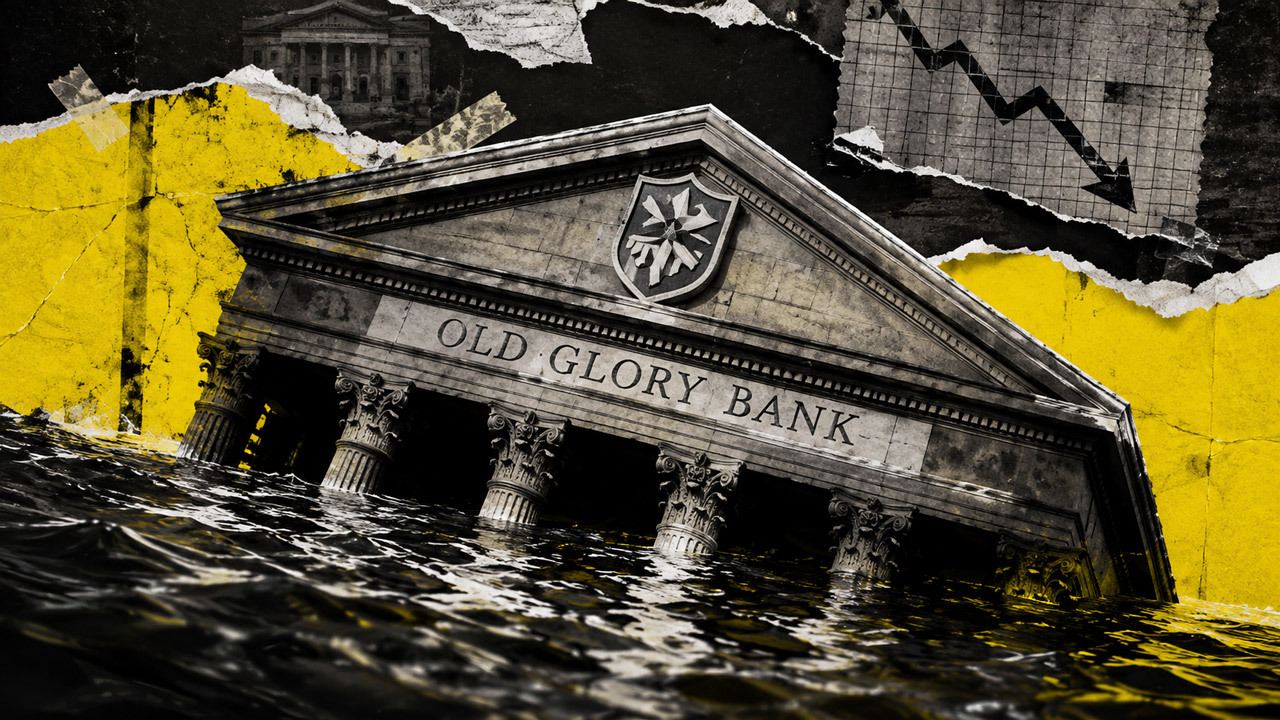
Saylor’s comments land at a time when traditional banks are already under pressure from fintech apps and decentralized finance. If tokenization catches on, banks could see deposits drain as customers chase yields elsewhere. That’s the challenge Saylor is pointing to. Banks have long controlled the pipeline between savers and borrowers. Tokenization cuts that pipeline. The question now is whether regulators will step in to slow the trend — or whether banks themselves will start issuing their own tokenized products to keep customers in the fold.
For now, Saylor’s vision remains a work in progress. Tokenization is still a niche corner of crypto, and most investors don’t yet have a clear way to shop for yield without running into legal or technical hurdles. But the idea is out there, and the banking industry is watching.