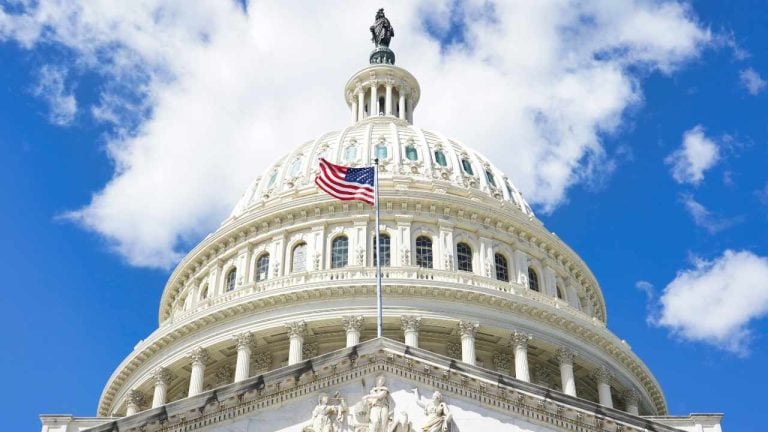
SEC Chairman Paul Atkins publicly committed to helping Congress advance the Crypto Clarity Act, a bill that would create a federal regulatory framework for digital assets. The legislation passed the House last year with strong bipartisan support but has stalled in 2026 amid concerns from big banks and ethics questions. An updated version introduced last week aims to address those issues, and lawmakers are hoping to pass it before Congress departs for August recess.
Atkins' role and the bill's history
Atkins, appointed by President Trump and sworn in as SEC chairman last year, replaced Gary Gensler. He said he'll provide technical assistance to Congress as it works on the Crypto Clarity Act. The bill originally cleared the House with bipartisan backing but hit a wall in the Senate this year. Big banks raised concerns that stablecoin yields could draw deposits away from traditional accounts, and ethics worries surfaced over government officials promoting crypto.
What changed in the latest version
The updated bill, introduced last week, bans government officials and their families from issuing or promoting cryptocurrencies. That's a direct response to the ethics concerns. But some Democrats remain unhappy with the current version, even after the changes. The exact sticking points weren't detailed, but the opposition suggests the bill isn't a done deal yet.
Who's backing it
Major financial institutions like Fidelity and Goldman Sachs have expressed support for the Clarity Act. Their backing gives the bill a boost, but the earlier pushback from big banks over stablecoin yields shows the tension between traditional finance and crypto-friendly policy. Atkins framed the effort as a matter of national competitiveness: 'American leadership in the digital finance revolution means matching the energy of American innovators with a regulatory framework worthy of them.'
The timeline
Lawmakers are racing the clock. The August recess is just weeks away, and if the bill doesn't pass before then, it could slip further into the fall. Atkins' public commitment adds momentum, but the unresolved Democratic opposition means the path to the president's desk isn't clear yet. The next concrete step is a likely floor vote in the Senate — if leadership can round up the votes.