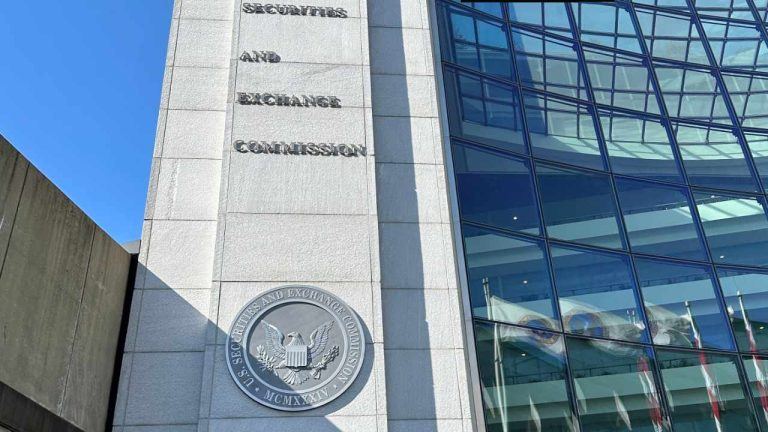
The U.S. Securities and Exchange Commission has floated a rule that would let crypto projects raise up to $75 million under a tailored exemption, a proposal that could reshape how early-stage token sales are structured. The plan, announced this week, would create a dedicated fundraising path for crypto offerings, alongside a process for separating tokens from the investment contracts they were originally sold under. It's the clearest signal yet that the agency is trying to build a formal on-ramp for digital asset issuers rather than forcing them into existing securities law boxes.
What the exemption would do
The proposal is designed around a simple problem: crypto projects often need capital before their networks are live, but the cost of a full registered offering is prohibitive for most startups. Under the new framework, a project could raise up to $75 million from investors without going through the standard registration process, provided it meets the SEC's conditions.
That's a meaningful jump from the current crowdfunding exemption, which caps raises at around $5 million. The higher ceiling would make the exemption a viable option for mid-sized projects that have outgrown seed rounds but aren't ready for a public listing.
The token separation process
The more novel piece is the proposed mechanism for separating tokens from the investment contracts they were originally tied to. In the SEC's view, a token sold as part of an investment contract can be a security — but that doesn't necessarily mean the token itself is forever a security. The rule would give issuers a defined path to make that distinction clear.
Exactly how that process would work in practice is still vague. The proposal sketches the concept but leaves the operational details to a future rulemaking. That's likely to be a focus of public comment, since the question of when a token stops being a security has been at the center of some of the SEC's biggest enforcement actions.
What's at stake
The timing isn't accidental. The SEC has spent years litigating whether specific tokens are securities, case by case. A blanket exemption doesn't end those fights, but it gives issuers a legal route to raise money without immediately triggering a securities registration requirement.
For the industry, the proposal is a concrete alternative to the current reality, where many projects either structure sales to avoid SEC scrutiny or seek no-action relief that never comes. The $75 million cap is high enough to cover a substantial portion of the projects that have gone through SEC enforcement in recent years.
The commission is now taking public comments on the proposal. The comment period will run for 60 days after the plan is published in the Federal Register, which hasn't happened yet. The rule isn't final — it would need a full commission vote to adopt, and the timing of that vote is unclear.