The U.S. Senate pushed the Clarity Act forward this month, setting new rules for stablecoins to operate as 1:1 dollar-backed tokens. Major banks like JPMorgan showed up in force at Consensus 2026, signaling institutional finance is finally leaning into crypto integration. But the industry's growing pains won't vanish just because the suits are here.
Stablecoin Regulation Gains Traction
The Clarity Act aims to clear a path for institutions by requiring stablecoin reserves to tie directly to physical dollars. This isn't just paperwork—it's the foundation Wall Street demanded before putting real money in. Senators say it'll make stablecoins less of a Wild West experiment. The bill is moving faster now, though details like audit requirements still need hashing out.
Institutional Footprints Grow
Consensus 2026 looked different this year. JPMorgan and other banks didn't just send junior staff. They brought decision-makers who closed deals on the show floor. That's a shift from past years when crypto conferences felt like outsider gatherings. The message is clear: banks are building infrastructure now, not just watching from the sidelines.
Old Challenges Won't Disappear
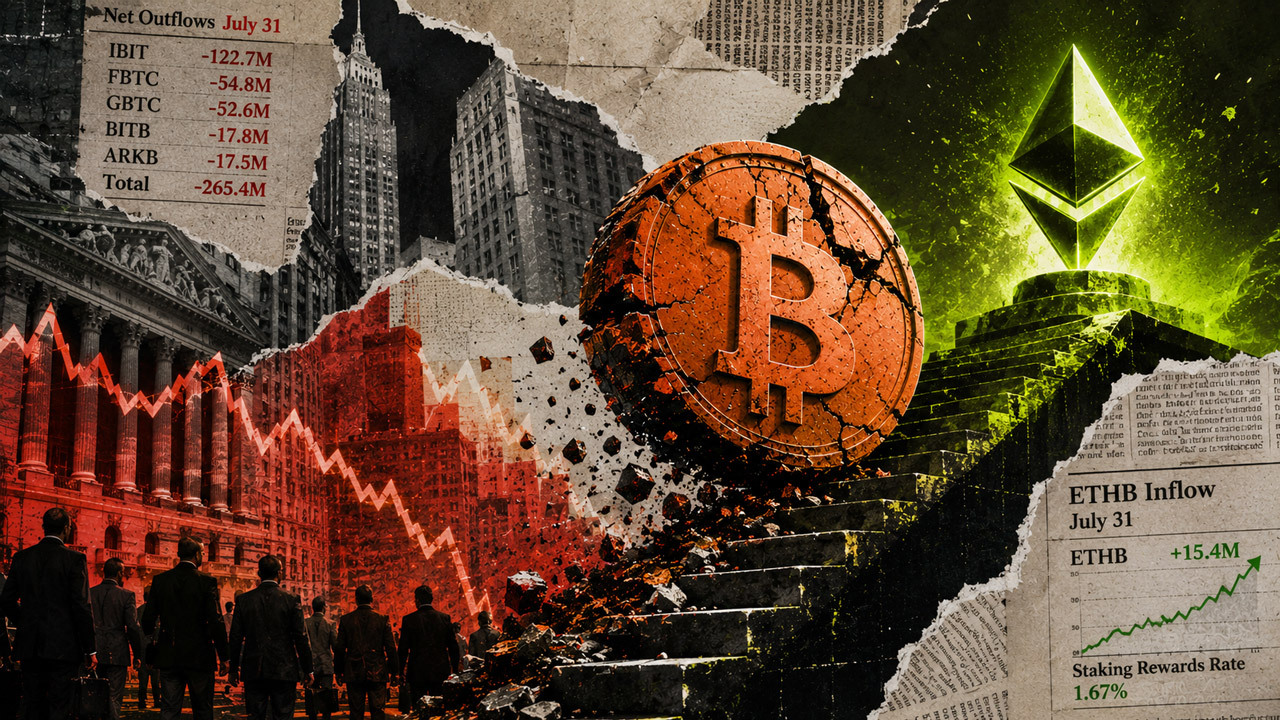
The market's still shaky. Bitcoin's brutal drop earlier this year rattled nerves, even as long-term adoption ticks upward. DeFi hacks persist—some linked to North Korea—and they keep draining user funds. On top of that, most people don't understand crypto basics. Regulators can't fix the education gap with a bill. It's a problem that grows while nobody's looking.
AI Payments Spark Regulatory Gaps
Agentic payments—AI-driven transactions with no human input—are quietly gaining ground. They're efficient but create headaches for compliance. How do you verify identity when the transaction happens automatically? Who watches for market abuse? Current rules don't cover these scenarios. Regulators know it's a problem but haven't started drafting solutions yet.
The next step is straightforward: The Clarity Act needs a Senate floor vote. But the bigger test comes after that. How quickly can regulators adapt rules to handle AI-driven finance before something breaks?