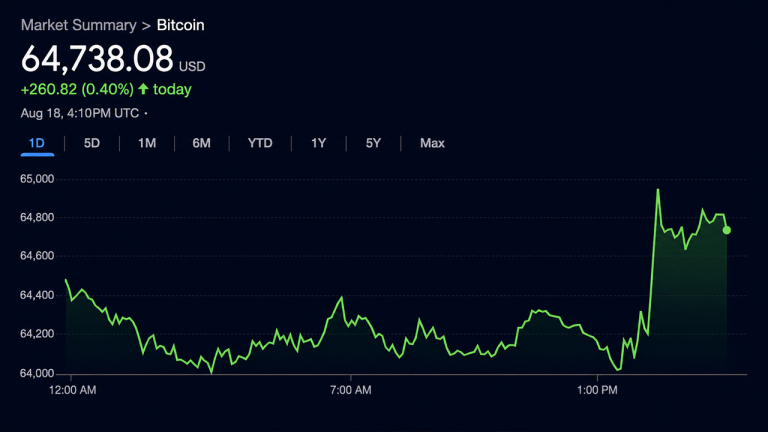
A landmark crypto bill has stalled in the Senate, leaving Trump administration agencies to develop crypto policy on their own. The shift to agency-level rulemaking brings uncertainty, and that uncertainty is showing up in investor confidence and market stability. The bill was the industry's best shot at a single federal framework — and it's now stuck.
Where the bill went
The bill was supposed to give the crypto industry what it has long asked for: a single, coherent federal framework that replaces the patchwork of state and agency rules. It hasn't moved. The legislation remains stuck in the Senate, and there's no clear timeline for when it might come up for a vote. For an industry that's spent years navigating conflicting guidance from different regulators, the stall is a setback.
Agencies take the wheel
With the bill stalled, the Trump administration's agencies will develop crypto policy themselves. That means the rules get written at the agency level, not through Congress. Agency rulemaking has its advantages — it's faster, more flexible, and can respond to market changes without waiting for a vote. But it comes with a trade-off. Rules made by agencies can be reversed by the next administration. Companies that build around a rule today could find themselves out of step tomorrow.
The uncertainty problem
Reliance on agency-level regulation introduces uncertainty, and uncertainty has real consequences. It impacts investor confidence, which in turn affects market stability. When the rules can shift with the political winds, firms hold back on commitments. Markets have to price in the risk that today's guidance won't be tomorrow's. The result is a market that's less predictable — and that's not a small thing for an industry already known for volatility.
The question now is whether the Senate bill gets revived. If it does, Congress could still set the framework. If it doesn't, the agencies are in charge — and the uncertainty that comes with that is likely to stick around.