The Shiller CAPE ratio for the S&P 500 is hovering near 40–42, just shy of the record 44 set during the late-1990s dot-com bubble. That's the second-highest reading in the history of the series. For Bitcoin, the number raises a question with two very different answers: does the asset act as a high-beta tech trade that falls when stocks do, or as digital gold that steps in when equity markets get ugly?
What the CAPE ratio actually measures
The CAPE ratio, developed by Robert Shiller, divides an index by the ten-year average of inflation-adjusted earnings. It's designed to smooth out short-term profit cycles and give a longer view of valuation. Historically, when the ratio stayed above 30 for sustained stretches, subsequent 10-year real returns for US equities were modest or negative. Both 1929 and 2000 preceded major declines, though the timing in each case varied considerably.
Right now, we're in that zone. But the ratio is a backdrop, not a forecast. Expensive markets can stay expensive for years, which is why the CAPE is a lousy timing signal. It tells you about odds, not dates.
Bitcoin's two faces
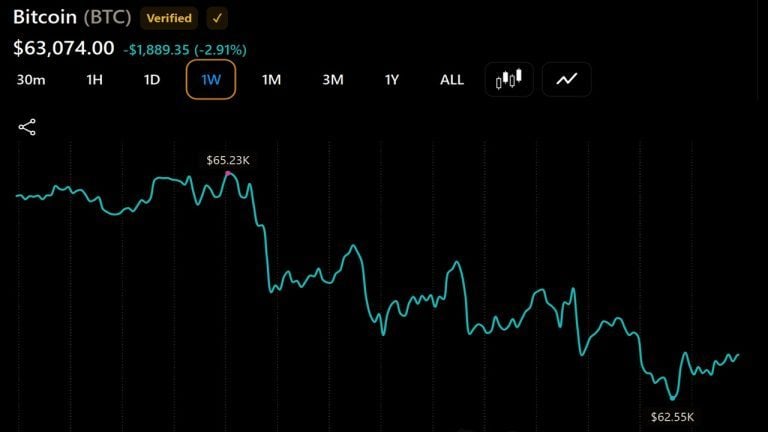
Bitcoin behaves like a risk-on, high-beta instrument that runs alongside technology stocks. Correlation data backs that up. In previous risk-off episodes, Bitcoin fell in tandem with equities rather than serving as a shelter from them. That's the tech-stock side of its personality.
But there's also the digital gold framing — the idea that Bitcoin is an alternative store of value, uncorrelated and scarce. Raoul Pal has put numbers on this: Bitcoin is 87% correlated to global liquidity, while the NASDAQ is 97% correlated. That's a gap, but not a huge one. It leaves room for Bitcoin to diverge, but only under the right conditions.
Why this backdrop matters
Persistently high equity valuations, combined with elevated public debt, can push capital toward scarce, uncorrelated assets. That's the bull case for Bitcoin as a hedge. But history shows that in some periods of equity stress, Bitcoin only outperformed after the initial risk-off phase had passed. The first move is usually down, together.
So the CAPE sitting near a record isn't a Bitcoin buy signal. It's a reminder that the asset is caught between two narratives, and which one wins depends on how the stress unfolds.
The timing problem
The open question is what breaks first: interest rate paths, the durability of AI-driven earnings growth, or global liquidity conditions. Those will determine whether Bitcoin decouples from equities or gets dragged along with them. On-chain activity and institutional adoption trends could also either weaken or reinforce the link.
None of that is predictable from a valuation ratio. The CAPE just says stocks are historically expensive. Bitcoin's job — if it has one — is to decide what it wants to be when that matters. So far, it hasn't made up its mind.