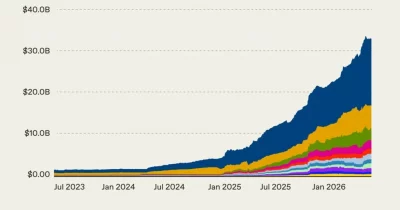
Solana's decentralized physical infrastructure network (DePIN) pulled in $2.8 million in revenue last year, driven by a 17-fold spike in data offload activity. The surge points to rising consumer adoption of decentralized infrastructure, a shift that could shake up traditional telecom dynamics.
What's driving the offload boom
Data offloading — moving traffic from cellular networks to other wireless resources — is the core service powering this growth. Over the past twelve months, users transferred far more data through Solana-based DePIN nodes than in previous periods. The 17x jump suggests that decentralized alternatives are becoming a practical choice for mobile data handling, not just an experiment.
Consumers are voting with their bytes. Instead of relying solely on centralized telecom carriers, they're routing data through a mesh of community-operated hardware that rewards participants with tokens. That model seems to be gaining traction as smartphone usage and data demands climb.
Why the revenue figure matters
The $2.8 million revenue milestone puts hard numbers behind the narrative. While that sum is small compared to telecom giants' quarterly earnings, it represents a real economic signal: decentralized infrastructure can generate measurable income from a real-world utility. The revenue comes from fees paid by users and applications that leverage the network for offloading, splitting among node operators and the protocol.
For context, DePIN projects on Solana have been building for a few years. The revenue jump isn't from speculation or token trading — it's tied directly to data volume. That makes the figure a more concrete indicator of adoption than market caps or wallet counts.
Potential shake-up in telecom
If the trend continues, telecom operators could face new competitive pressure. Decentralized networks offer lower costs and community ownership, which might appeal to users in underserved areas or those frustrated by expensive data plans. The infrastructure doesn't require massive cell towers or spectrum licenses — just compatible hardware placed by individuals.
Traditional carriers have long dominated data offloading through Wi-Fi hotspots and small cells. Solana-based DePIN networks introduce a permissionless alternative, where anyone can contribute bandwidth and earn rewards. That model could eat into revenue streams that carriers currently control, especially in dense urban zones where offloading demand is highest.
Regulators haven't weighed in yet. The decentralized nature makes it harder to apply conventional telecom rules, something that's likely to come up as the network scales.
The $2.8 million revenue and 17x activity surge are early markers. The real test will come as more users and devices connect to DePIN nodes, pushing offload volumes even higher. Whether telecom incumbents adapt with their own decentralized offerings or try to curb the trend remains an open question — one that the next year's data will likely answer.