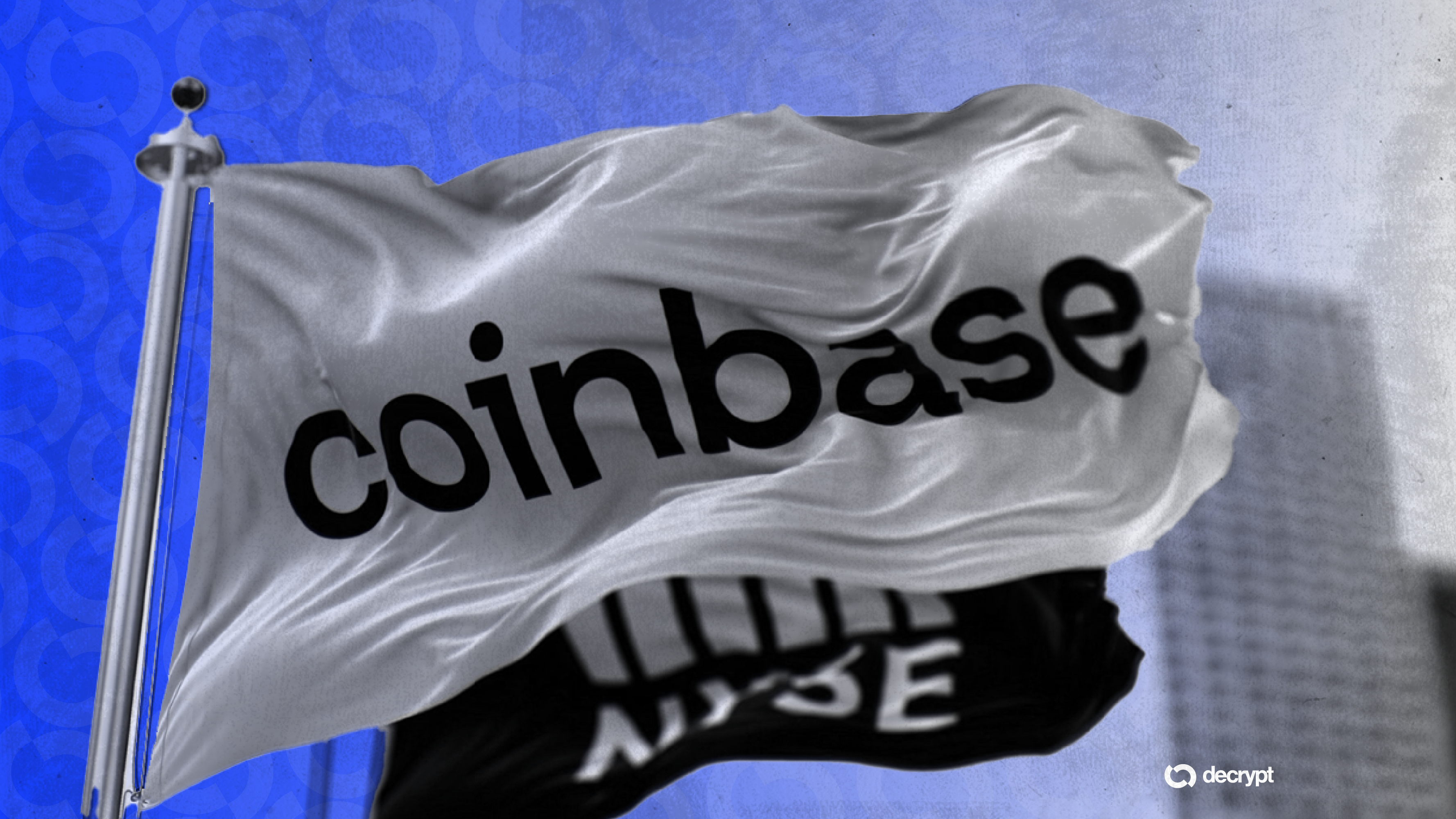
Solv Protocol is shifting its entire tokenized Bitcoin infrastructure — worth roughly $700 million — onto Chainlink's oracle network. The move, announced this week, makes Solv one of the biggest protocols to date to tie its wrapped Bitcoin collateral to Chainlink's data feeds.
Why the switch
Solv didn't give a public reason for the migration, but the timing is telling. Just weeks ago, Kelp DAO — another large liquid-staking protocol — made the same jump from LayerZero to Chainlink. Kelp DAO explicitly blamed LayerZero for a hack that drained user funds. Solv's decision suggests a broader loss of confidence in LayerZero's security model among major DeFi players.
What's moving
The $700 million figure represents the total value locked in Solv's tokenized Bitcoin products — a mix of wrapped BTC and yield-bearing BTC derivatives. All of that will now rely on Chainlink price oracles and cross-chain messaging. For Chainlink, it's a big win: another blue-chip protocol choosing its infrastructure over a competitor.
The LayerZero fallout
LayerZero hasn't commented on Kelp DAO's allegations or Solv's departure. But the pattern is clear. When a protocol blames your bridge for a multimillion-dollar exploit, other users start looking for exits. Solv's migration may not be the last.
What comes next
Solv hasn't set a hard deadline for the full migration, but said users won't see any interruptions. The protocol will gradually shift its BTC collateral and associated smart contracts to Chainlink-powered endpoints. Kelp DAO, meanwhile, is still auditing the aftermath of its own migration. Whether LayerZero can stem the outflow — or whether more protocols follow Solv and Kelp — is the open question.