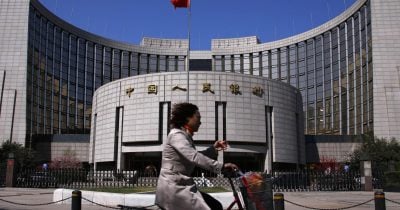
South Korea is rewriting its definition of state assets to include cryptocurrencies, virtual assets, and intellectual property. The Ministry of Economy and Finance unveiled the plan on July 15 as part of the government's second-half economic strategy, proposing a National Asset Basic Act that would govern roughly 1,400 trillion won ($940 billion) in public holdings.
What the new law covers
The bill would replace the State Property Act of 1950, a framework designed for physical assets like land and buildings. Under the new model, digital assets are treated as long-term national wealth rather than a risk to be managed. The government also plans to tokenize state-owned real estate through security tokens, letting citizens invest and share returns. A pilot for tokenized government bonds linked to the Bank of Korea's CBDC infrastructure is scheduled for 2027. The new model prioritizes value creation over simple custody of public property — a shift from the old approach of just holding and maintaining.
Why now
South Korea handles an estimated 15% to 20% of global crypto trading volume, with over 18 million local participants. But the market is shifting. Average monthly KRW trading volume fell 21.7% from 125.2 trillion won in Q4 2025 to 98.1 trillion won in Q1 2026, according to CoinGecko data. Authorities attribute the decline to capital moving from retail speculation toward institutional settlement infrastructure. The new asset law aligns with that trend — treating digital holdings as part of the national balance sheet rather than a fringe activity. It's a bet that crypto's role in the economy is maturing, not fading.
Parallel regulatory push
Separately, lawmakers are advancing the Digital Asset Basic Act for won-pegged stablecoins and reviewing amendments to the Capital Markets Act that would enable spot crypto ETFs. A legal framework for cross-border stablecoin transactions is also in development. These moves, combined with the state asset reclassification, signal a coordinated effort to embed crypto into the formal economy. The timing isn't accidental — the government wants a coherent rulebook before the tokenized bond pilot goes live next year.
What's still unclear
Implementation details remain pending. The government hasn't said how it would acquire, custody, or value digital holdings under the new law. Those questions will need answers before the National Asset Basic Act can take effect — and before the tokenized bond pilot goes live next year. For now, the plan is a statement of intent. The hard part comes next.