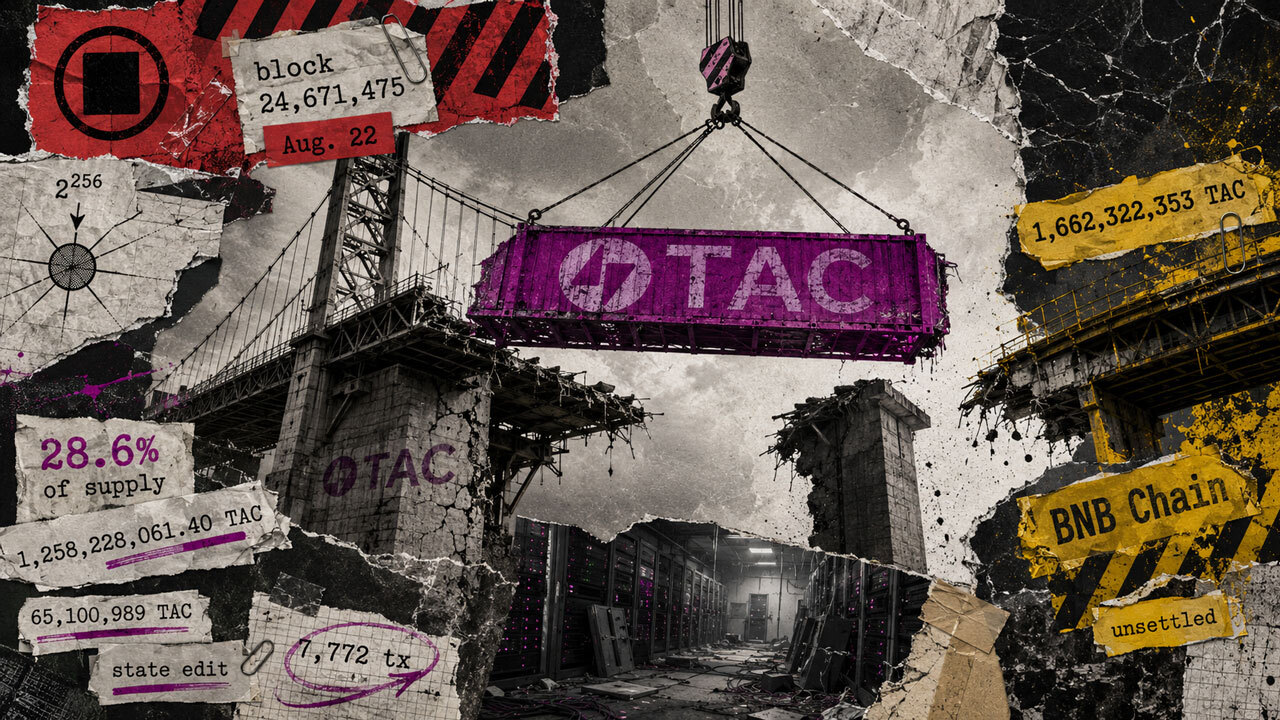
Freeze powers built into fiat-backed stablecoins remain heavily centralized, often controlled through blacklist or pause functions managed by a small group of administrators or multisig signers. That centralization—combined with uneven transparency about who holds those keys and how they're used—creates a risk that a single operational freeze could ripple into liquidity stress and a depeg.
How Freeze Controls Work
Stablecoin issuers embed freeze mechanisms in their smart contracts in several ways: blacklists that block specific addresses, global pause switches that halt all transfers, gates that restrict minting or redeeming, and upgrade hooks that let administrators swap out contract logic. These tools let the issuer freeze funds or halt operations on demand. USDC's smart contracts, for example, have publicly documented blacklist and freeze features that have been used in real-world interventions.
To check whether a token carries admin keys, users can read the proxy and implementation contracts on a block explorer. Look for functions labeled owner, admin, pause, or upgrade. If those exist, the token has a central control point.
Why Multisig Can Fail
Multisig designs are supposed to distribute authority, but they can still become a single point of failure. Weak thresholds—like two of three signers—can be exploited if two keys fall under the same roof. Signer correlation is the problem: when multiple key holders work at the same company, use the same custody provider, or share a recovery scheme, one incident can neutralize several keys at once.
Operational gaps compound the issue. A lack of strict change management, poor key hygiene, and undefined emergency runbooks all undermine the security that multisigs are meant to provide. Multi-party computation (MPC) doesn't solve the governance risk if a single admin can push emergency actions without oversight.
For high-impact actions—like freezing all redemptions—thresholds should match the blast radius. That means requiring more signers from independent organizations, not just a handful from overlapping entities.
Transparency Gaps Among Issuers
Disclosure about admin roles, signer identities, threshold changes, and key rotation is inconsistent across stablecoin projects. Some issuers provide detailed public documentation; others keep the details internal. That uneven transparency makes it hard for users to gauge the real risk of a sudden freeze or a multisig failure.
What Users Can Do
Investors and traders who hold stablecoins can take practical steps to reduce exposure. Diversifying across multiple stablecoins spreads the risk that any single issuer's freeze will strand funds. Capping allowances on smart contracts limits how much a single approval can lose. Using timelocks that delay admin actions gives users a window to exit. Audits and clear governance frameworks can also help—but only if the issuer actually publishes them.
The core question remains unresolved: how much centralization is acceptable in a market that trades on promises of stability and decentralization? Until issuers commit to transparent key management and higher multisig thresholds, the freeze button stays a quiet risk under every stablecoin transaction.