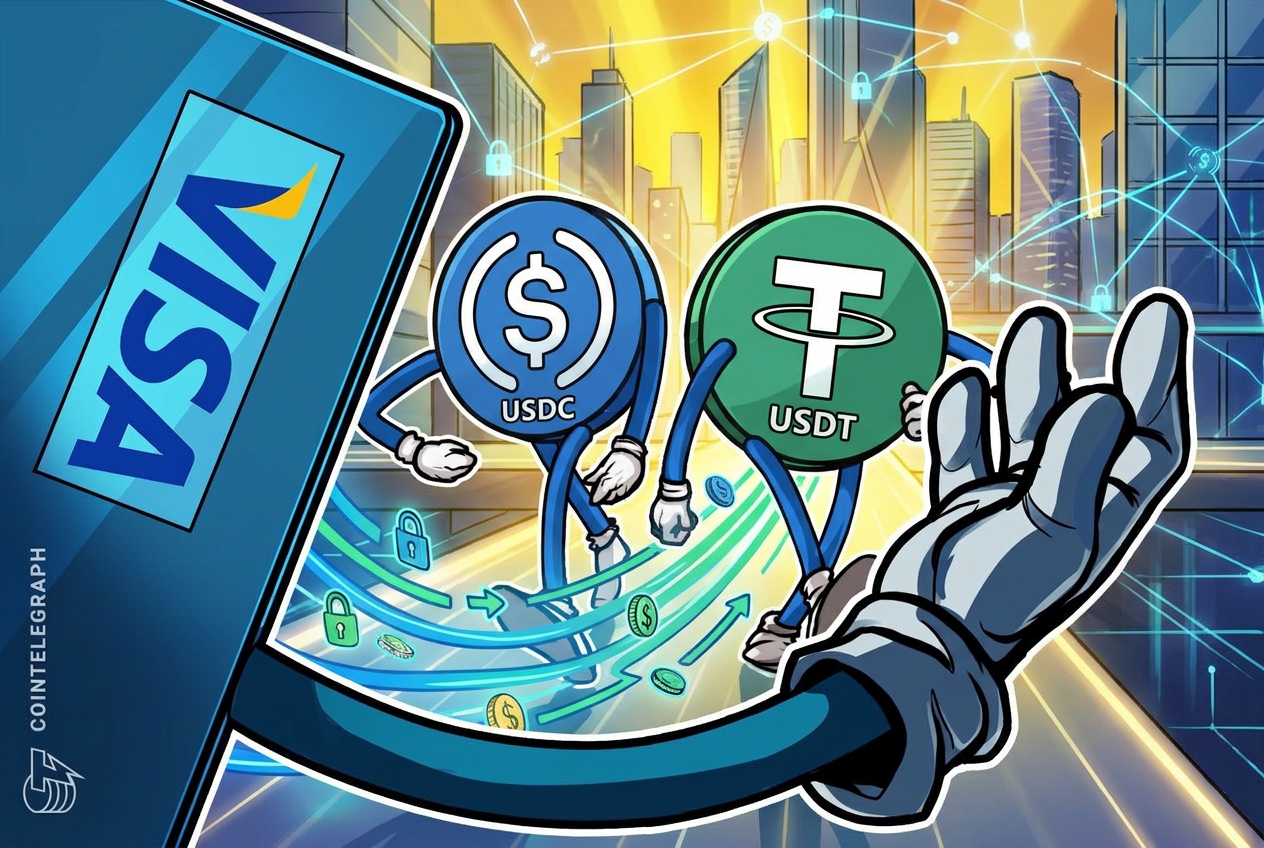
Stablecoins are no longer just a trading pair. Regulation is solidifying around exchange oversight and wallet rules. And AI-enabled infrastructure is quietly reshaping how crypto products are built and operated. For advisors still relying on due diligence templates from a couple of years ago, the gaps are widening.
The stablecoin question that's changed
Most early due diligence checklists treated stablecoins as a single category. That assumption no longer works. Today the market has distinct flavors — fiat-backed, crypto-collateralized, and algorithmic or hybrid models — each with very different risk profiles. Regulators in the EU under MiCA and in the US via state-level frameworks now enforce reserve transparency and redemption guarantees. An advisor who doesn't understand which type a client’s portfolio holds and how it’s regulated is flying blind.
What shifting regulation means for the checklist
The regulatory environment has moved from ‘wait and see’ to ‘active enforcement and licensing’. Custody rules, travel rule compliance, and staking disclosures are now standard in many jurisdictions. The old due diligence question 'Is this exchange licensed?' is too blunt. The sharper version is 'What specific licenses does the exchange hold in the jurisdictions where the client operates?' The same goes for token classification — an asset that passes the Howey test in one country might be a commodity or a currency elsewhere. Advisors need to match the legal status to the client’s domicile.
AI infrastructure — not just a buzzword
AI is showing up in transaction monitoring, automated compliance, smart contract auditing, and even yield optimization strategies. For an advisor, the due diligence question isn't whether a project uses AI. It's whether the AI is auditable, how biased its training data might be, and what happens when the model makes a bad decision. Some platforms are now built around AI agents that execute trades or rebalance portfolios. The old “who runs the company” check isn't enough when a machine is making allocation calls.
Three questions to add now
First: 'How does the product's custody handle stablecoin-specific risks like depegs or redemption delays?' Second: 'Which regulators oversee the particular activities we're using — trading, lending, staking — and what's the latest enforcement trend in each?' Third: 'If the service relies on AI, is the model open to third-party audit and what governance covers its decisions?' These aren't exhaustive, but they fill the holes the market’s maturity has opened.