Executive Summary
In a coordinated effort this week, the advocacy group Stand With Crypto submitted a petition bearing the signatures of 28,000 American digital‑asset owners to the Senate Banking Committee. The petition asks the committee to move forward with the CLARITY Act, legislation designed to provide clearer regulatory guidance for cryptocurrencies and related technologies. Supporters argue that prolonged uncertainty is stifling innovation and harming everyday users.
What Happened
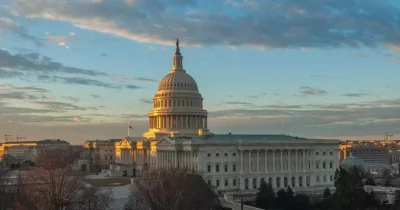
Stand With Crypto handed a physical petition to the Senate Banking Committee during a scheduled hearing on digital‑asset regulation. The document lists 28,000 signatories, all of whom identified as crypto investors or participants in the broader digital‑asset ecosystem. The petition explicitly urges committee members to “mark up” the CLARITY Act, a step that would move the bill from draft status toward formal legislative language.
The delivery was accompanied by a brief statement from Stand With Crypto, emphasizing that the signatures represent a “demonstration of voter demand from organized digital‑asset owners.” The group framed the petition as evidence that a sizable constituency is actively seeking regulatory certainty.
Background / Context
The CLARITY Act, first introduced in early 2025, seeks to codify a framework for digital‑asset classification, consumer protection, and anti‑money‑laundering requirements. Proponents argue that a clear statutory definition would reduce the patchwork of state‑level rules and provide a stable environment for businesses to develop crypto‑related products.
Since the bill’s introduction, the Senate Banking Committee has held multiple hearings but has not yet taken formal markup action. Critics of the delay point to ongoing litigation, divergent agency opinions, and political hesitation as factors that have kept the legislation in limbo.
Stand With Crypto, founded in 2022, has positioned itself as a voice for retail and institutional crypto participants who feel sidelined by regulatory ambiguity. The group’s latest petition is the most sizable outreach effort it has organized to date.
Reactions
In its accompanying statement, Stand With Crypto highlighted the petition as a “clear signal that American crypto users are eager for legislative clarity.” The organization warned that continued delays could erode trust in the U.S. financial system and push innovators abroad.
Committee staff have not issued an immediate response, but a spokesperson noted that the petition would be entered into the official record and reviewed during the next scheduled markup session.
Industry observers note that the petition’s size—28,000 signatories—suggests a growing willingness among crypto participants to engage directly with policymakers. No other advocacy groups have publicly contested the petition’s claims in this cycle.
What It Means
If the Senate Banking Committee decides to mark up the CLARITY Act, the bill could move more quickly toward a floor vote in the Senate. A marked‑up version would likely include language that clarifies the status of digital assets under existing securities and commodities laws, potentially reducing the regulatory gray area that has hampered product launches and cross‑border transactions.
Clearer guidance could also affect how financial institutions approach crypto‑related services. Banks that have been cautious about offering custodial or lending products may feel more comfortable expanding offerings once a federal framework is in place.
Conversely, if the committee postpones markup, supporters of the petition risk losing momentum. The group has framed the petition as a time‑sensitive appeal, warning that prolonged uncertainty could push developers to jurisdictions with more predictable rules.
What Happens Next
The Senate Banking Committee is slated to convene for a markup session on the CLARITY Act later this month. Committee members will review the petition alongside input from regulatory agencies, industry stakeholders, and consumer advocates.
Stand With Crypto has indicated it will continue to monitor the process and may organize additional outreach if the committee does not act promptly. The group also hinted at the possibility of a follow‑up campaign aimed at securing bipartisan support for the bill.
All eyes remain on the committee’s next steps, as the outcome will shape the regulatory landscape for digital assets in the United States for years to come.