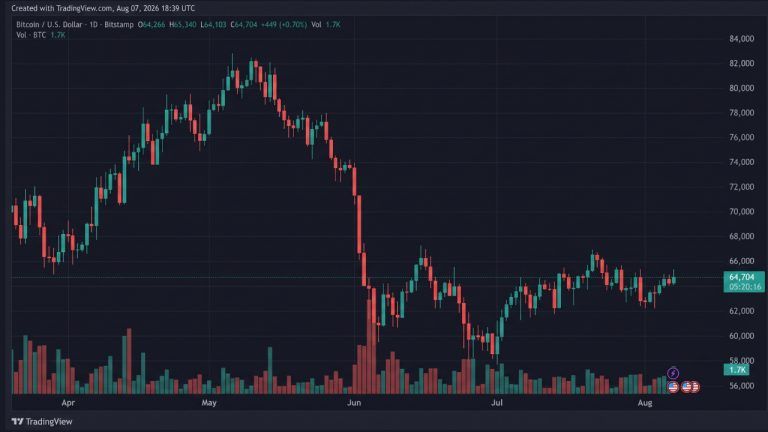
A new study on market behavior cautions that the link between news headlines and price movements is far from straightforward. The research emphasizes the need to distinguish between inherent volatility and genuine news-driven reactions, arguing that misreading that line can distort how investors, traders, and even regulators understand what moves markets.
Why the Distinction Gets Blurred
Markets are naturally noisy. Prices fluctuate constantly for reasons that have nothing to do with breaking events—liquidity shifts, algorithmic rebalancing, position squaring, or simple randomness. When a major headline lands, it's tempting to pin the next price swing on it. But the study suggests that without careful analysis, such attributions are often little more than hindsight.
The core problem is that volatility and news-driven moves can look identical on a chart. A sharp drop at 10 a.m. might follow a Fed announcement, but it could also stem from a large sell order hitting a thin order book. The study stresses that separating these causes is essential for anyone trying to gauge how information actually influences prices.
For investors, the stakes are practical. If a portfolio manager misreads a routine dip as a reaction to bad news, they might sell at the worst moment. Conversely, if they dismiss a genuine news-driven crash as noise, they could hold onto a losing position. The study's call for clearer distinctions speaks directly to that risk.
Journalists covering markets face a similar trap. A headline that says "Stocks Fall on Rate Fears" may be accurate—or it may be a convenient narrative slapped onto a move that had multiple causes. The study doesn't name any specific outlet or report, but its logic applies to the daily rush to explain every tick with a news hook.
What the Research Points Toward
The study stops short of offering a simple formula for separating volatility from news reactions. Instead, it argues for a more disciplined approach—one that treats news as a variable to be tested, not assumed. That might involve comparing price behavior on days with major headlines against days without them, or using statistical filters to strip out baseline volatility before measuring a news event's effect.
It's a methodological push rather than a set of conclusions. The authors highlight that even well-established news events, like earnings reports or central bank decisions, don't always produce the expected market response. Sometimes the reaction is delayed, sometimes it's muted, and sometimes it never comes at all.
For now, the study serves as a reminder that market moves are messy. The next time a stock drops on a headline, the truth might be simpler: the market was already moving that way.