Executive Summary
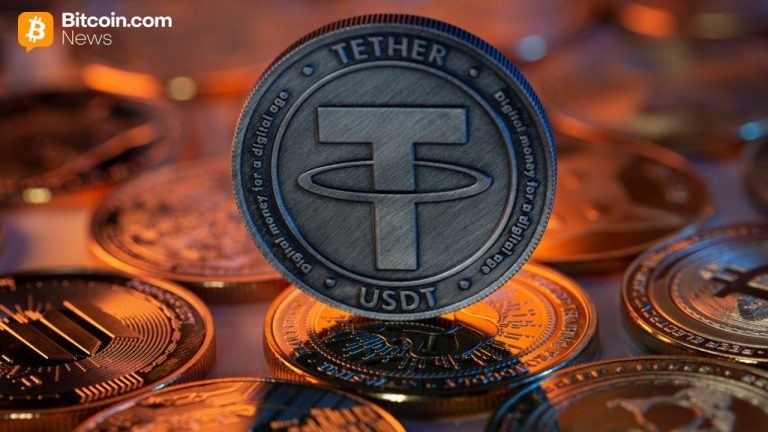
Tether has issued an additional 2 billion USDT on the Ethereum blockchain in a series of on‑chain batches spanning three days. The new issuance lifts the total circulating supply of USDT to roughly $190 billion, marking a significant expansion of fresh stablecoin liquidity.
What Happened
During a three‑day window, Tether’s treasury address executed multiple minting transactions on Ethereum, each creating a portion of the total 2 billion USDT now in circulation. The minting process was transparent, with the batches recorded on‑chain and visible to anyone monitoring the network. This activity represents the latest infusion of USDT into the market, following the company’s established practice of expanding supply to meet demand.
The freshly minted tokens are now available for use across the Ethereum ecosystem, including decentralized finance (DeFi) protocols, exchanges, and custodial services that support USDT.
Background / Context
USDT remains the world’s largest stablecoin, anchored to the U.S. dollar and widely used for trading, payments, and as a store of value in volatile crypto markets. Tether regularly adjusts its supply to align with user demand, ensuring that sufficient liquidity is available for traders, institutions, and developers.
Ethereum, as a leading smart‑contract platform, hosts a substantial portion of USDT activity. By minting on Ethereum, Tether reinforces the token’s presence on a network that underpins many DeFi applications, NFT marketplaces, and cross‑chain bridges. The decision to issue the new supply on Ethereum reflects the ongoing importance of the platform for stablecoin interoperability.
Prior to this minting event, the circulating supply of USDT hovered just below $190 billion. The addition of 2 billion USDT brings the total to an approximate $190 billion, underscoring the scale at which the stablecoin operates within the broader crypto economy.
Reactions
Community observers noted the rapid pace of the minting batches, emphasizing the transparency afforded by on‑chain data. Analysts on social media highlighted that the supply increase appears to be a response to growing demand for USDT on Ethereum, especially as DeFi protocols continue to attract capital.
Some market participants expressed curiosity about the timing, pointing out that the three‑day window aligns with a period of heightened activity on Ethereum, including a surge in transaction volume and new protocol launches. While no official statement detailed the strategic rationale, the pattern suggests Tether is positioning USDT to meet anticipated usage spikes.
Regulators and watchdog groups did not issue immediate comments, as the minting itself follows existing compliance frameworks that Tether has outlined in its public disclosures.
What It Means
The fresh supply of USDT on Ethereum expands the pool of stablecoins available for lending, borrowing, and liquidity provision across DeFi platforms. This can help reduce friction for users who need immediate access to dollar‑denominated assets without leaving the Ethereum ecosystem.
For exchanges and custodians, the increased supply may ease pressure on reserve management, allowing them to accommodate larger inflows of USDT from traders and institutional clients. It also reinforces USDT’s role as a bridge asset for cross‑chain movements, as many bridges rely on Ethereum‑based USDT to facilitate transfers.
From a macro perspective, the near‑$190 billion supply figure highlights the dominance of stablecoins in the crypto market’s overall liquidity. The minting event underscores Tether’s commitment to maintaining that dominance by ensuring the token remains widely available wherever demand arises.
What Happens Next
Stakeholders will likely monitor on‑chain activity to see how the newly minted USDT is distributed across wallets, DeFi contracts, and exchange pools. Observers expect Tether to continue adjusting supply in line with market dynamics, especially as Ethereum’s own upgrades and scaling solutions evolve.
Future minting cycles may be announced through Tether’s official channels, and the broader crypto community will watch for any signals that indicate shifts in stablecoin demand or regulatory scrutiny.